
Lieferung heute & morgen

Qualitätsgarantie

Willkommens-Angebote freischalten: KOSTENLOSE Lieferung | Bis zu 80 % RABATT | Kostenlose 30-Tage-JoyPlus-Testphase
App herunterladen
Rising electricity prices and a desire for greater independence from the energy market are prompting more and more people in Germany to consider generating their own power. A balcony solar system, also known as a plug-in solar system or mini solar system, offers a straightforward and accessible way to lower your electricity bills and contribute to the energy transition.
These systems are designed for easy DIY installation and can be plugged directly into a standard household outlet. However, the market is growing, and the variety of models can be overwhelming. This guide serves as an objective resource to help you understand the technical features and make an informed decision for your home.
Before choosing a model, there are several fundamental aspects to consider. These criteria will help you find the right complete solar panel kit for your individual needs.
Since 2024, a simplified regulation for balcony solar systems has been in effect in Germany. The key figure here is the maximum feed-in power of the inverter, which is limited to 800 watts. Many kits are marketed as 800W balcony solar systems. Often, the total output of the solar panels is higher (e.g., 900 watts or more). This is advantageous because it allows the system to achieve a higher energy yield and get closer to the permitted 800 watts even in non-optimal lighting conditions, such as on cloudy days or during morning and evening hours. The inverter's power rating ensures that the legal limit is not exceeded.
A balcony solar system with storage allows you to store solar power generated during the day that isn't immediately consumed. This is particularly useful for maximising your self-consumption rate, as electricity demand in many households is highest in the evening when the sun is no longer shining.
The name "balcony solar system" is somewhat misleading, as these systems are suitable for a wide variety of locations. Whether on a balcony railing, a terrace, in the garden, on a house facade, or on a flat roof—the mounting options are diverse. Ensure a south-facing orientation that is as shade-free as possible to maximise energy yield. Most kits are designed as "plug-and-play" solar systems for your outlet and include the necessary mounting hardware for the intended location.
Here we present a selection of systems that cover different requirements and use cases.
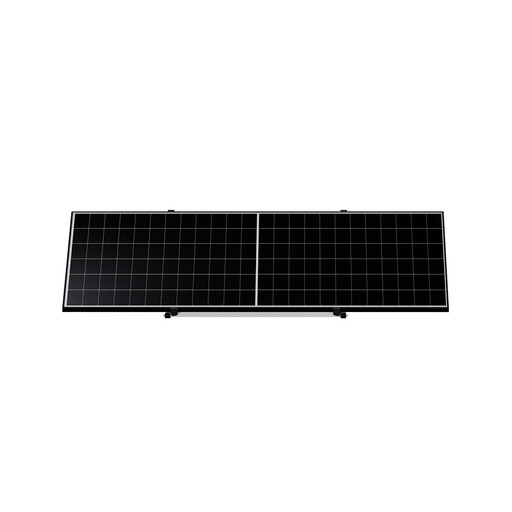
Why it stands out: The TSUN kit stands out with its all-in-one design. The solar panel, microinverter, and an adjustable stand come pre-assembled, making setup extremely quick and easy. Thanks to its foldable design and a weight of 29.5 kg, it is also portable and versatile.
Advantages:
Who is it for? This kit is a great choice for beginners and for users looking for a mobile and hassle-free solution. It's perfect for renters or homeowners who do not want to or cannot perform a permanent installation on their building and want to flexibly set up the system in their garden or on their terrace.
View Product: TSUN 400W Foldable Solar Panel Kit
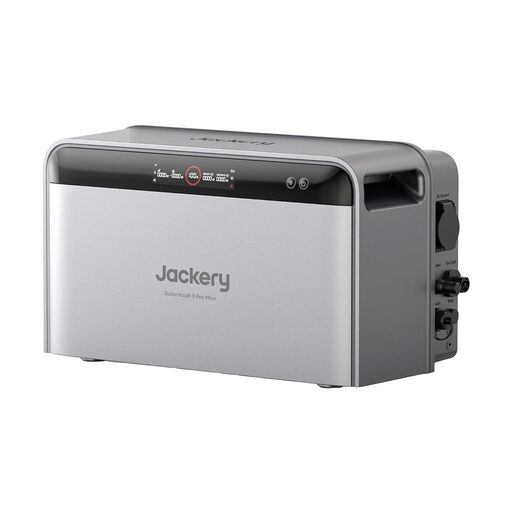
Why it stands out: The Jackery SolarVault 3 Pro is a sophisticated balcony solar system with storage. It combines a high PV input power of up to 4000 W with an expandable storage system (2.52–15.12 kWh). Its AI-powered energy management optimises self-consumption and, according to the manufacturer, can leverage dynamic electricity tariffs to further reduce costs.
Advantages:
Who is it for? This system is aimed at tech-savvy users who strive for maximum energy independence. It is ideal for homeowners who want to use their solar power around the clock, maximise their self-consumption, and future-proof their setup for emerging requirements like dynamic electricity tariffs.
View Product: Jackery SolarVault 3 Pro with Storage
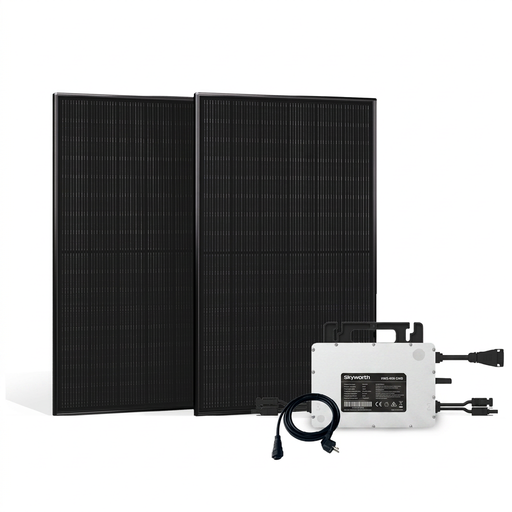
Why it stands out: The Skyworth kit combines high performance with appealing aesthetics. The two 450-watt panels in an "all-black" design offer a total output of 900 watts, ensuring a high energy yield even in less-than-ideal lighting conditions. The included HMS-800-2WB microinverter throttles the feed-in power to the permitted 800 watts.
Advantages:
Who is it for? This complete solar panel kit is ideal for users with sufficient space who value maximum performance and a modern, discreet look. It is perfectly suited for mounting on a balcony railing, facade, or a flat roof, where the black colour makes a particularly strong statement.
View Product: Skyworth 900W All-Black Solar Panels
Beyond generating power for your home, there are many other ways to use solar energy outdoors. From practical path lighting to decorative garden lamps, solar-powered products offer a simple and sustainable way to provide light and ambiance without additional electricity costs.
Discover our selection of Outdoor LED Solar Post Lights and bring sustainable light to your garden or terrace.
The registration process in Germany has been greatly simplified. You only need to register your system in the Market Master Data Register (MaStR) of the Federal Network Agency. This can be done online in just a few minutes. An additional, often complicated, registration with the grid operator is generally no longer required for systems up to 800 W; a simple notification is usually sufficient.
An 800W balcony solar system in Germany can generate approximately 600 to 800 kilowatt-hours (kWh) of electricity per year, depending on location, orientation, and weather conditions. This can be enough to completely cover the baseload of an average household (standby devices, refrigerator, router) and noticeably reduce the annual electricity bill.