
Lieferung heute & morgen

Qualitätsgarantie

Willkommens-Angebote freischalten: KOSTENLOSE Lieferung | Bis zu 80 % RABATT | Kostenlose 30-Tage-JoyPlus-Testphase
App herunterladen
Damp windows in the morning, a musty smell in the basement, or laundry that just won't dry inside your home—these are common problems for many. A dehumidifier can be an effective solution. However, the market is crowded, and many devices promise more than they can deliver. Before you make a decision, it's crucial to know the most common pitfalls to avoid a bad investment.
As your Joybuy Product Recommendation Officer, I'll help you understand the key features and find a device that truly fits your needs.
The 3 Most Common Mistakes When Buying a Dehumidifier:
quiet should be checked for its actual dB values.To find the right dehumidifier, you should focus on objective technical data. These three criteria are essential for making an informed decision.
The dehumidification capacity, specified in litres per day (L/day), is the most important metric. It describes how much water the unit can extract from the air within 24 hours. This measurement is typically taken under standardised conditions (e.g., 30°C and 80% relative humidity).
dehumidifier for mould prevention in at-risk areas.basement dehumidifier ensures dry walls even in demanding environments.The choice between manual emptying and continuous operation depends on your use case:
dehumidifier with a hose is the most convenient solution for unattended, continuous operation. The collected water is channelled directly into a drain. This is particularly practical for basements, holiday homes, or during long absences.Modern dehumidifiers offer more than just basic dehumidification. Look for features that make your daily life easier:
dehumidifier for drying laundry is an energy-efficient alternative to a tumble dryer.Here are some recommendations tailored to specific user profiles that avoid the pitfalls mentioned.
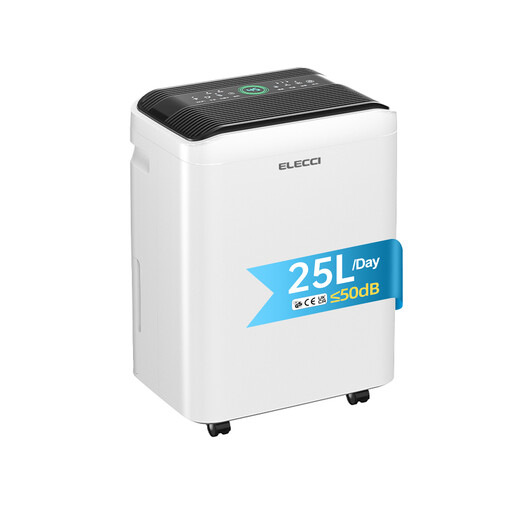
Why it's a great fit: Ideal for those seeking a powerful yet quiet dehumidifier for living rooms or bedrooms. The smart humidity display and auto mode provide comfort without constant manual adjustments.
With an operating noise of just 36 dB according to the manufacturer, this model bypasses the noise trap, making it suitable even for sound-sensitive environments.
A combination of quiet operation, high dehumidification capacity (25 L/day), and precise control via the real-time humidity display.
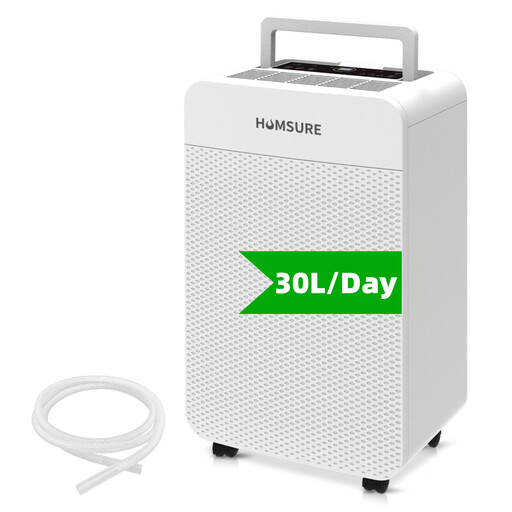
Why it's a great fit: Designed for homeowners who need a powerful, low-maintenance solution for large, damp basements or garages. The continuous drain hose allows for unattended operation.
At 30 L/day, the unit offers ample power reserves for demanding environments, preventing the purchase of an underpowered device. The included hose solves the problem of constant tank emptying.
High dehumidification capacity, a large 5.3-litre tank, and the option for continuous drainage make it a flexible solution for intensive use.
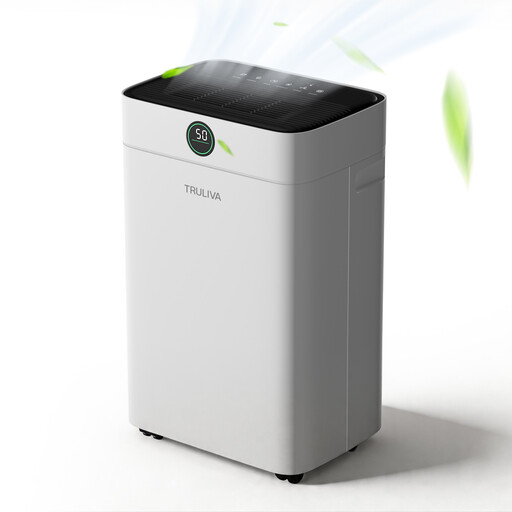
Why it's a great fit: Perfect for families or households without a tumble dryer who need a fast, efficient way to dry clothes indoors, especially in damp weather.
This device offers a dedicated function for a common use case, preventing the disappointment that occurs when a standard dehumidifier doesn't dry laundry fast enough.
The special laundry drying mode and auto-defrost function for cool rooms make it a versatile household helper.
We have compiled a complete, up-to-date list of products that fully meet these strict selection criteria and German safety regulations.
A relative humidity between 40% and 60% is considered ideal for living spaces. Persistently higher levels can promote mould growth, while levels below 40% can dry out mucous membranes. Many dehumidifiers with an automatic function can be set to a target value within this range.
Power consumption depends on the power rating (watts), duration of use, and room humidity. A typical residential dehumidifier has a power consumption of about 200 to 400 watts. A device with a hygrostat (auto mode) is significantly more economical, as it only turns on when needed instead of running continuously.
No, a dehumidifier cannot remove existing mould. This requires special cleaning agents and, if necessary, professional remediation. However, a dehumidifier is a very effective means of prevention, as it removes the moisture necessary for mould to grow, thus preventing new infestations.