
Lieferung heute & morgen

Qualitätsgarantie

Willkommens-Angebote freischalten: KOSTENLOSE Lieferung | Bis zu 80 % RABATT | Kostenlose 30-Tage-JoyPlus-Testphase
App herunterladen
A high-quality wooden cutting board is more than just a surface—it's an essential kitchen tool that simplifies meal prep and preserves the sharpness of your knives. However, the market is flooded with products whose quality claims prove baseless upon closer inspection. Many buyers invest in boards that quickly warp, crack, or dull their knife blades. This guide will show you which pitfalls to avoid and what objective criteria to consider when making your selection, helping you find a durable and functional addition to your kitchen.
Before we dive into the key features, let's address the most common issues that lead to poor purchasing decisions.
To make an informed decision, focus on the following technical and material parameters.
The type of wood and its construction significantly determine the board's properties. There are two main types of cuts:
Common wood types include oak, beech, acacia, and walnut. A bamboo cutting board is also a popular option. While technically a grass, bamboo's hardness and water resistance make it a very durable material for a wooden kitchen board, though it tends to be less forgiving on knife blades than woods like walnut.
A board's functionality depends on its features:
Here are some recommendations tailored to specific use cases and requirements.

Why This Fits Their Persona: This cutting board set made of bamboo offers three different sizes, making it suitable for almost any kitchen task—from chopping onions to preparing a large roast. Ideal for households looking for flexibility and great value for money.
According to the manufacturer, the carbonisation of the bamboo increases its resistance to moisture, thus preventing warping and cracking—a common problem with low-quality boards.
Three sizes for maximum flexibility; integrated juice grooves and handles for clean and convenient work.
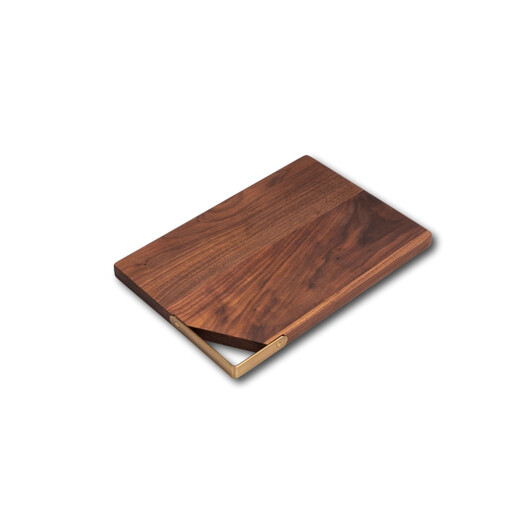
Why This Fits Their Persona: For chefs who value their high-quality knives, this walnut board is an excellent choice. Walnut offers a good balance of hardness and give, which protects knife blades while providing a durable cutting surface.
Crafted from solid walnut, this board represents high material quality and avoids the weaknesses of inferior gluing. The solid construction ensures it remains stable and provides a long service life.
Knife-friendly properties of walnut wood; robust and durable solid wood construction.
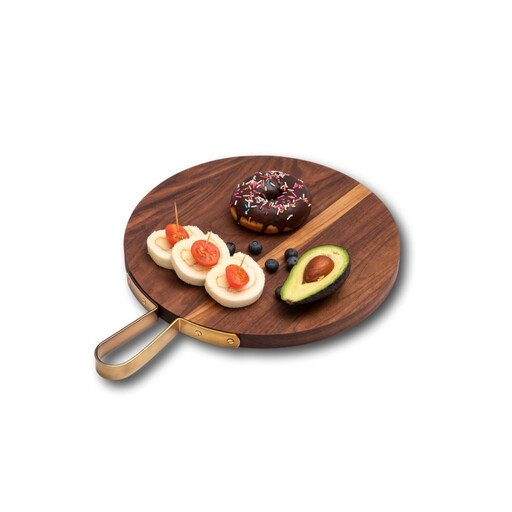
Why This Fits Their Persona: This round walnut board with a long handle is not just a functional kitchen tool but also an aesthetic wooden serving board. It is perfect for presenting cheese, cold cuts, or antipasti directly at the table.
Instead of buying a purely decorative board that is unsuitable for food preparation, this model combines functionality and design. It is made of solid, food-safe wood and is designed for both purposes.
Elegant, round design for an appealing presentation; long handle for easy carrying and serving.
We've compiled a complete, up-to-date list of products that fully meet these strict selection criteria and UK safety regulations.
Proper care is crucial for longevity. Clean the board by hand after each use with warm water and a mild dish soap. Rinse it thoroughly and dry it immediately with a cloth. Store it upright to allow air to circulate. Wooden cutting boards are not dishwasher-safe, as the heat and moisture can cause the wood to warp and crack.
To protect the wood from drying out, it should be oiled regularly. Use only food-safe oils for this purpose. Refined mineral oil, sold specifically for cutting boards, is a common choice. Special wood care oils based on beeswax or coconut oil are also suitable. Avoid vegetable-based cooking oils like olive or sunflower oil, as they can turn rancid over time.
A bamboo cutting board is a very popular alternative. Bamboo is harder and denser than many types of wood, making it particularly resistant to cuts and moisture. However, this hardness also means it can dull knife blades faster than softer woods like walnut or cherry. The choice between bamboo and wood ultimately depends on your personal priority: maximum board durability (bamboo) or maximum blade protection (wood).