
当日/次日达

品质保障

开启新人专享福利: 全场免邮 | 低至 2 折 | 免费试用 30 天 JoyPlus 会员
下载 Joybuy
Udon noodles are a cornerstone of Japanese cuisine, prized for their thick, chewy texture and versatility. Whether served in a hearty broth, used in a quick stir-fry, or as the base for a creative Udon noodle bowl, these thick wheat noodles are a favourite among home cooks. However, there are several pitfalls to watch out for when buying them, which can lead to a disappointing culinary experience. Misconceptions about freshness, choosing the wrong noodle thickness, or unclear ingredient lists can be the difference between an authentic dish and a letdown.
This guide will help you navigate these hurdles and find the perfect Udon noodles for your kitchen.
Before you buy Udon noodles, you should be aware of the common misconceptions that often lead to the wrong product choice.
To make an informed decision, you should consider three key criteria. These will help you find the product that perfectly matches your needs.
The preparation style significantly determines the texture and cooking time.
A look at the ingredient list reveals the quality. High-quality Japanese noodles are distinguished by a short and simple list.
The right pack size depends on your consumption habits.
Here are some recommendations tailored to different needs.
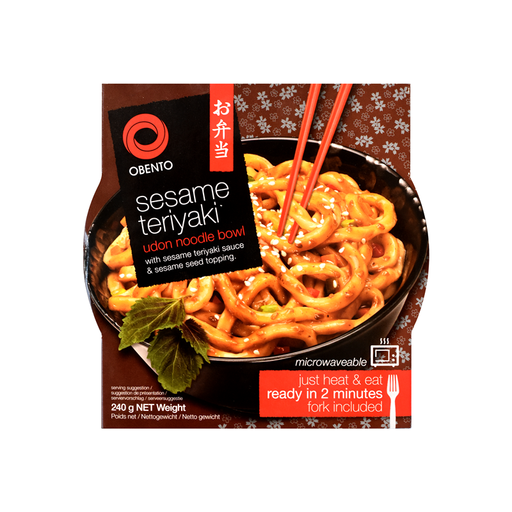
Why This Fits Their Persona: Perfect for professionals or students looking for a quick yet flavourful meal with minimal cooking effort. Everything is included: noodles, sauce, vegetables, and toppings.
This product is clearly positioned as an all-in-one meal. There are no false expectations of "freshness," as the focus is on convenience and quick preparation.
All-in-one meal, ready in minutes. The teriyaki sesame sauce provides a rich flavour without needing extra ingredients.
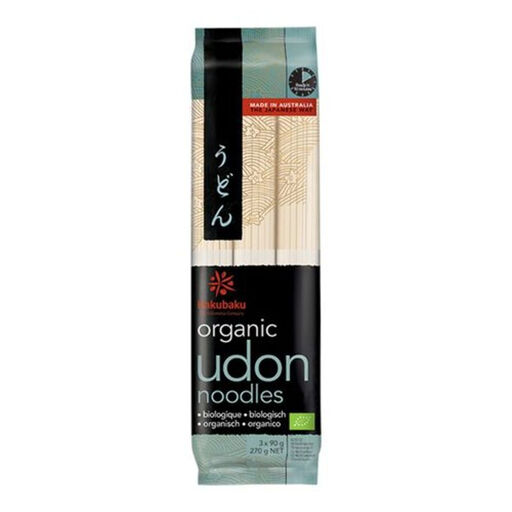
Why This Fits Their Persona: For cooks who value high-quality ingredients. These organic noodles provide a solid foundation for authentic Japanese dishes.
The ingredient list is minimalist and transparent, containing only wheat flour and salt. There are no hidden additives, which guarantees a pure flavour.
Made from certified organic ingredients. The convenient portioning into three 90g bundles makes measuring easy.
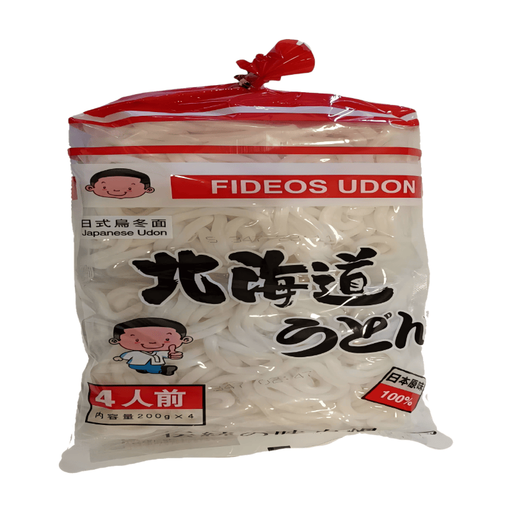
Why This Fits Their Persona: Ideal for families or individuals who regularly prepare Udon dishes and appreciate having a convenient supply on hand. The 4x200g pack offers great value for money.
These pre-cooked noodles offer a balanced texture that works well for both soups and stir-fries. You avoid the "texture gamble" because they are so versatile.
The noodles are thick, elastic, and hold their shape well during cooking. The individual packaging of the four portions ensures freshness and easy handling.
We have compiled a complete, up-to-date list of products that fully meet these strict selection criteria and quality standards.
The main difference lies in the ingredients and texture. Udon noodles are thick, soft noodles made only from wheat flour, water, and salt. Ramen noodles, on the other hand, also contain "kansui," an alkaline water that gives them a yellowish colour, a firmer, more elastic texture, and a distinctive flavour.
Once the vacuum-sealed pack is opened, the noodles should be stored in the refrigerator. It is recommended to keep them in an airtight container and use them within 24 to 48 hours to maintain their quality and freshness.
Yes, most Udon noodles are versatile. For Yaki Udon (stir-fried noodles), pre-cooked, vacuum-sealed noodles are particularly suitable as they cook quickly and don't stick to the pan. For soups, both dried and pre-cooked noodles are a good choice. Dried noodles develop a pleasantly firm texture when cooked in broth.