
Lieferung heute & morgen

Qualitätsgarantie

Willkommens-Angebote freischalten: KOSTENLOSE Lieferung | Bis zu 80 % RABATT | Kostenlose 30-Tage-JoyPlus-Testphase
App herunterladen
Udon noodles are a cornerstone of Japanese cuisine, known for their thick, chewy texture. But anyone looking to buy Japanese noodles often faces an overwhelming selection. Choosing the wrong type can mean your dish doesn't turn out as expected. This guide will help you avoid the most common pitfalls and find the perfect noodles for your needs.
Many shoppers are swayed by attractive packaging or vague marketing terms. This often leads to disappointment in the kitchen. Pay attention to these three points to avoid making the wrong choice:
To find the right udon noodles, you should focus on objective characteristics. The following three parameters are crucial for your cooking experience.
The form in which the noodles are sold has the biggest impact on texture and preparation time.
A look at the ingredient list reveals the quality and character of the noodles.
The choice of package size should depend on your needs.
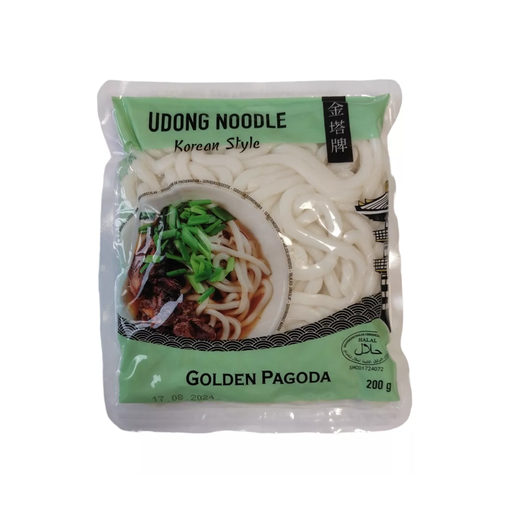
Why This Fits Their Persona: Ideal for a quick and easy meal after work. The pre-cooked noodles are ready in 1-2 minutes and are perfect for a fast Yaki Udon or as an addition to a ready-made broth.
The product is clearly labelled as a pre-cooked noodle. It avoids the pitfall of using an unsuitable, long-cooking noodle for a quick dish.
Extremely short preparation time (1-2 minutes). Convenient 200g single-serving pack.
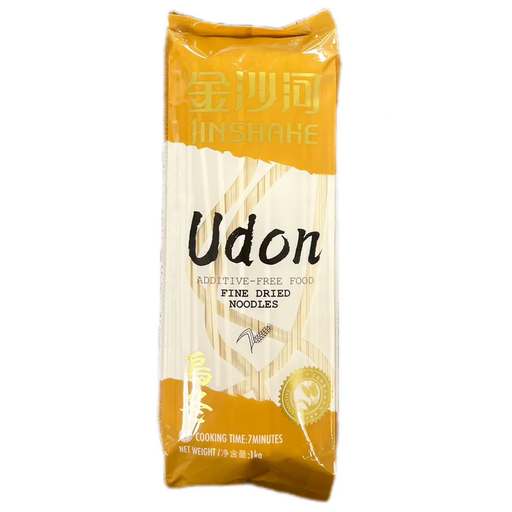
Why This Fits Their Persona: For lovers of authentic noodle soups who want a noodle with a firm bite that absorbs broth well. The dried format ensures a firm texture that won't fall apart, even after sitting in the soup.
As classic dried udon noodles, they are explicitly designed for dishes where texture is key. This avoids the risk of soft, pre-cooked noodles turning mushy in soup.
Firm, chewy texture, ideal as noodles for soup. The 1 kg value pack is practical for pantry stocking.
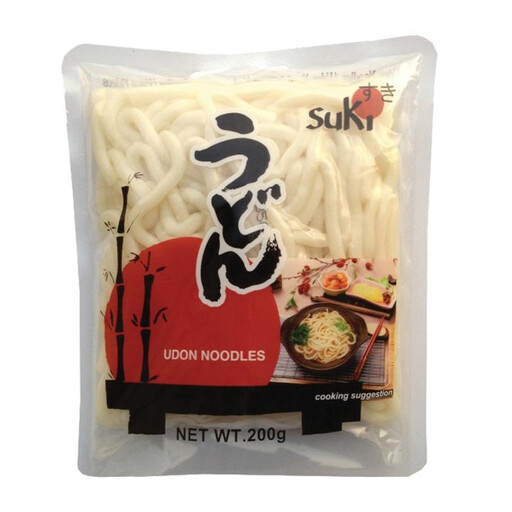
Why This Fits Their Persona: This bulk Udon pack is designed for restaurants, catering services, or large families who need a reliable and economical solution. The 30 individual portions ensure freshness and easy handling.
The individual packaging prevents a large quantity of noodles from losing quality after opening. It offers the benefits of a bulk pack without the storage drawbacks.
Economical bulk pack with 30 x 200g individual servings. Versatile noodles with a classic texture.
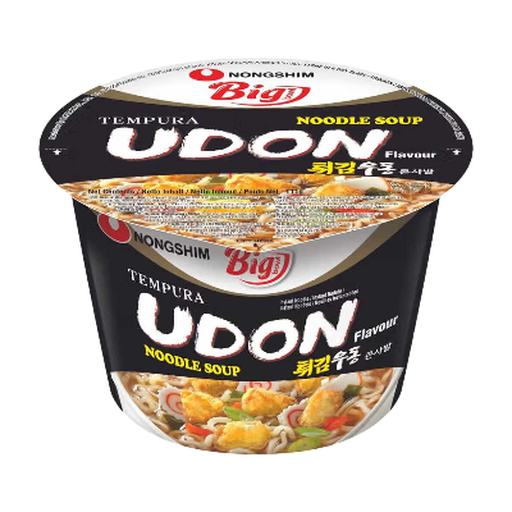
Why This Fits Their Persona: For anyone who wants a quick, hot, and complete meal with no cooking effort. Ideal for the office, university, or as a quick snack. Everything you need is already in the cup.
As a clear instant udon product, it sets the right expectations. It's an all-in-one solution and doesn't pretend to be an ingredient for creative cooking.
Maximum convenience: just add hot water. A complete meal with noodles, broth, and flakes.
We have compiled a complete, real-time list of products that fully satisfy these strict selection criteria and UK safety regulations.
The main difference lies in their composition and thickness. Udon noodles are thick, soft, and chewy noodles made from just wheat flour, water, and salt. Ramen noodles are typically thinner and more elastic. They also contain "kansui," an alkaline water that gives them their characteristic yellowish colour and springy bite.
Opened vacuum-packed udon noodles should be stored in the refrigerator and consumed within one to two days, as they will otherwise lose their quality. Dried noodles are more straightforward: after opening, store them in an airtight container in a cool, dry place.
Yes, rinsing the cooked noodles under cold water is a recommended step. It immediately stops the cooking process, removes excess starch from the surface, and prevents the noodles from sticking together. The result is a noticeably better, chewier texture.