
Lieferung heute & morgen

Qualitätsgarantie

Willkommens-Angebote freischalten: KOSTENLOSE Lieferung | Bis zu 80 % RABATT | Kostenlose 30-Tage-JoyPlus-Testphase
App herunterladen
As a Joybuy Product Recommendation Officer, I see the vast diversity of Asian foods every day—and how overwhelming it can be. When it comes to buying glass noodles, in particular, many people fall into common traps that can spoil the cooking experience. Though they often look identical, these transparent noodles hide a world of differences in texture and use. This guide will help you bypass the most frequent mistakes and confidently choose the right glass noodles for your dish.
Before you add glass noodles to your cart, you should be aware of two widespread issues that often lead to disappointment in the kitchen.
To avoid these mistakes, focus on two key characteristics found on the packaging.
The base ingredient determines almost everything: texture, cooking time, and which dish the noodle is suited for.
An important note for health-conscious shoppers: Most glass noodles made from pure mung bean or sweet potato starch are naturally gluten-free. However, with blended products, the allergen information should always be checked.
The shape of the noodle is not accidental but is optimised for its intended use.
Here are a few recommendations from our range, tailored to specific user profiles.
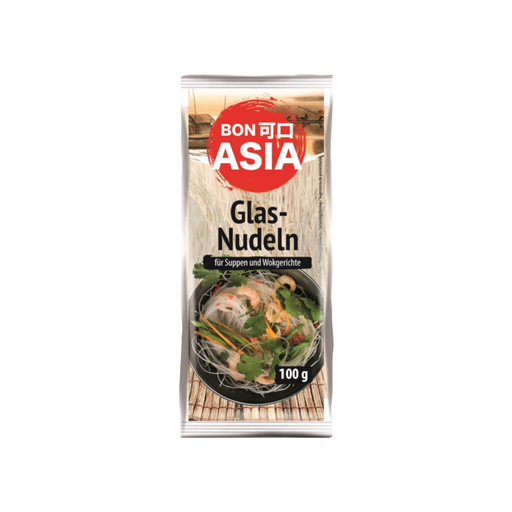
Why This Fits Their Persona: Ideal for anyone taking their first steps into Asian cuisine. The small package size and versatile nature make them perfect for experimenting with simple stir-fries or soups without having to commit to a specific type of noodle.
The starch blend is a solid all-rounder, preventing you from buying a highly specialised noodle that's unsuitable for a first simple dish. This helps you avoid the "wrong texture" trap.
Very quick to prepare (just soak in hot water for 5 minutes). Versatile enough for soups, salads, and stir-fries.
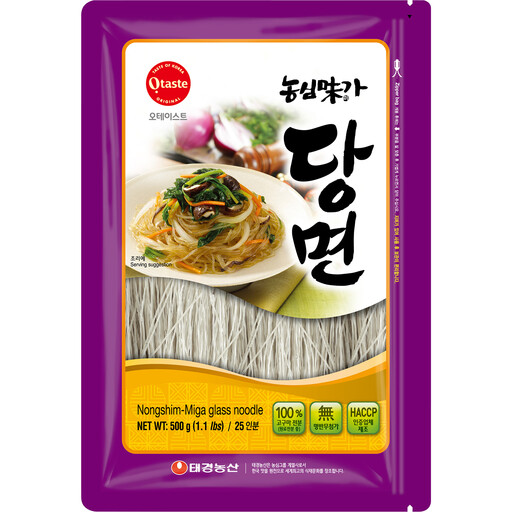
Why This Fits Their Persona: For anyone wanting to prepare authentic Korean Japchae, this noodle is the top choice. Its characteristically chewy and elastic texture is essential for the dish and cannot be replicated with other noodle types.
Solves the core problem of the "one-size-fits-all" trap. By choosing 100% sweet potato glass noodles, you ensure the dish has the correct, authentic consistency and won't turn mushy.
Made from 100% sweet potato starch for maximum authenticity. The noodles are naturally gluten-free and retain their bite even after boiling and stir-frying.
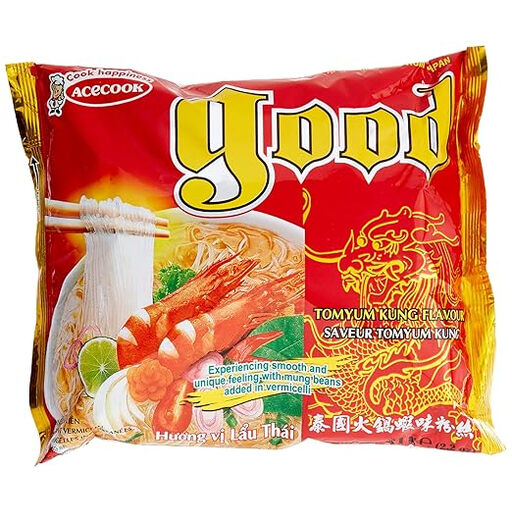
Why This Fits Their Persona: Perfect for the office or for a quick meal at home. This instant noodle soup provides a complete, flavourful meal in minutes, with no extra ingredients or cooking skills required.
This product is an all-in-one solution. It bypasses the trap of pairing the wrong noodles with the wrong seasoning, as everything is already perfectly balanced.
Includes noodles, seasoning mix, oil, and vegetables in one serving. Preparation only requires hot water and takes just 3-5 minutes.
Not necessarily. While glass noodles made from 100% mung bean, sweet potato, or other pure starches are naturally gluten-free, many less expensive products contain wheat flour as a filler. Furthermore, they may be processed in facilities that also handle gluten-containing products. Therefore, always check the ingredient list and allergen warnings on the packaging.
The key is to avoid overcooking them. For thin vermicelli, it's often enough to soak them in hot (not boiling) water for 5–10 minutes. Thicker sweet potato glass noodles should be boiled in bubbling water for 6–8 minutes, depending on their thickness, until they are cooked but still al dente. Immediately rinsing them under cold water stops the cooking process and prevents the noodles from sticking together.
The main difference lies in the raw material. Glass noodles are made from starch (e.g., from mung beans or sweet potatoes) and turn transparent when cooked. Rice noodles are made from rice flour and remain white and opaque after cooking. The texture also differs: glass noodles are often more elastic and chewy, while rice noodles tend to be softer.