The search for the perfect Chardonnay can feel like navigating a maze. Shelves are filled with bottles from all over the world, each promising a different story. But vague marketing terms and exaggerated claims often lead to disappointment. As your Joybuy Product Recommendation Officer, I'll help you avoid the common pitfalls and make an informed decision that perfectly suits your taste and occasion.
The 3 Most Common Traps When Buying Chardonnay
Before you buy a Chardonnay, you should be aware of the most common marketing traps, which often conceal more than they reveal.
- The "Barrel-Aged" Myth: Ageing in oak barrels (barriques) is often promoted as a mark of quality. However, not every barrel-aged wine is automatically high-grade. Sometimes, intense oaky notes are used to mask the aromas of simpler grapes. A good Chardonnay is defined by its balance, where the wood complements the fruit aromas rather than dominating them.
- Misleading Appellations: A bottle labelled "Chardonnay from France" could be anything—from a simple table wine to a complex Burgundy. A general origin says little about the style or quality. The specific region (e.g., Pfalz, Languedoc, Chieti) and the quality classification (e.g., QbA, IGT, AOC) are what truly define the wine's character.
- The Price-Quality Illusion: A high price is no guarantee of enjoyment. An expensive, complex Chardonnay might be unsuitable for a casual evening on the patio, while a straightforward, affordable wine could be just right. A wine's value is measured by how well it matches your personal preferences and the intended occasion.
What Really Matters: The Decisive Criteria
To find the right Chardonnay white wine, focus on three objective parameters that reliably tell you what's inside the bottle.
1. Flavour Profile: Dry, Off-Dry, or Fruity?
The description on the label is the first clue to the wine's style.
- Dry Chardonnay: Typically contains very little residual sugar (in Germany, usually under 9 g/l). However, this doesn't mean the wine is sour. A dry Chardonnay can be very fruity, with aromas of apple, citrus, or melon, but without a noticeable sweetness on the finish. It's a versatile food-pairing wine.
- Off-Dry Chardonnay: Has a higher residual sugar content (up to 18 g/l). These wines have a subtle sweetness that enhances the fruit flavours and softens the acidity. They are often very approachable and well-suited for social gatherings or lightly spicy dishes.
- Alcohol-Free Chardonnay: A growing category that offers full fruit flavour without the alcohol. Modern processes remove the alcohol while preserving the varietal's characteristic aromas. A great option for those who want to enjoy mindfully.
2. Origin and Climate: The Source of Flavour
The growing region has a huge impact on Chardonnay's aroma profile.
- Cool Regions (e.g., Chablis in France, parts of Germany): Produce wines with higher acidity and mineral notes. The aromas are often reminiscent of green apple, lemon, and flint.
- Temperate Regions (e.g., Burgundy, Pfalz, Northern Italy): Yield balanced wines with aromas of stone fruits like peach and apricot. A Chardonnay from Italy or the Pfalz region often offers a harmonious interplay of fruit and freshness.
- Warm Regions (e.g., California, Australia, Southern France): Lead to fuller, bolder wines with notes of tropical fruits like pineapple, mango, and melon. A Chardonnay from France's sunny south (e.g., Languedoc) is often more opulent and round.
3. Packaging and Occasion: Bottle, Box, or Case?
The choice of packaging should depend on your consumption habits.
- 0.75L Bottle: The classic choice for dinner, as a gift, or for trying a special wine.
- Chardonnay Bag-in-Box: Ideal for parties or regular enjoyment. The vacuum system keeps the wine fresh for several weeks after opening. A 3-litre box is practical and often offers excellent value for money.
- Case of 6 Chardonnay: Perfect for when you've found your favourite wine or want to take advantage of a good Chardonnay deal. This way, you always have a supply on hand for spontaneous occasions.
Our 2026 Selection: The Right Chardonnay for Every Need
Here are some recommendations tailored to different profiles and needs, taking the above criteria into account.
MATCH FOR: The Budget-Conscious Connoisseur
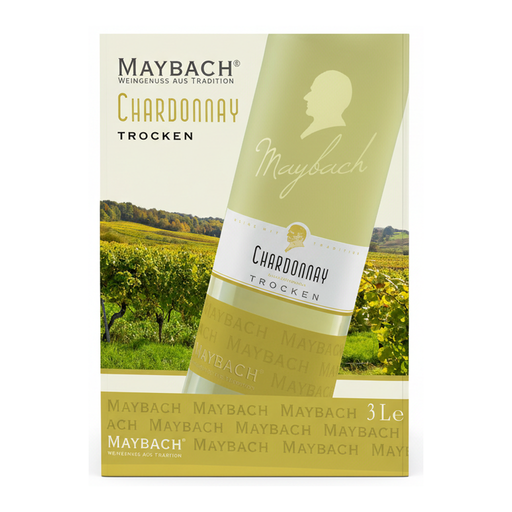
Why This Fits Their Persona: Ideal for those who regularly enjoy a glass of wine or are planning a party. The bag-in-box is an extremely practical solution that combines quality and quantity for everyday enjoyment.
How It Avoids the Trap
This wine bypasses the price-quality illusion by offering a solid, dry Chardonnay in economical packaging. It promises straightforward enjoyment and delivers on that promise.
Key Advantage & Pros
The wine stays fresh for weeks after opening. Its aromas of melon and exotic fruits make it an approachable companion for light dishes.
MATCH FOR: The Discerning Explorer
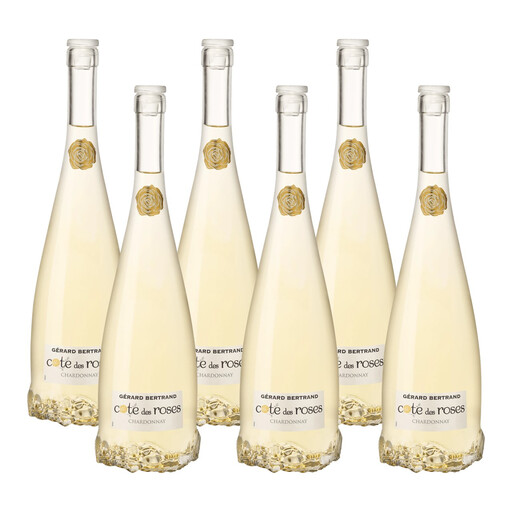
Why This Fits Their Persona: For wine lovers who value origin, craftsmanship, and sustainability. Gérard Bertrand is a renowned winemaker, and this wine offers a complexity and elegance that go beyond the standard.
How It Avoids the Trap
This wine avoids the trap of a vague appellation. It comes from a specific region in the South of France from a winemaker known for biodynamic viticulture. Here, the use of oak is a stylistic choice, not a cover-up.
Key Advantage & Pros
The combination of ageing in stainless steel tanks and barriques creates a balanced structure. The glass stopper and bottle design underscore its premium quality.
MATCH FOR: The Effortless Host
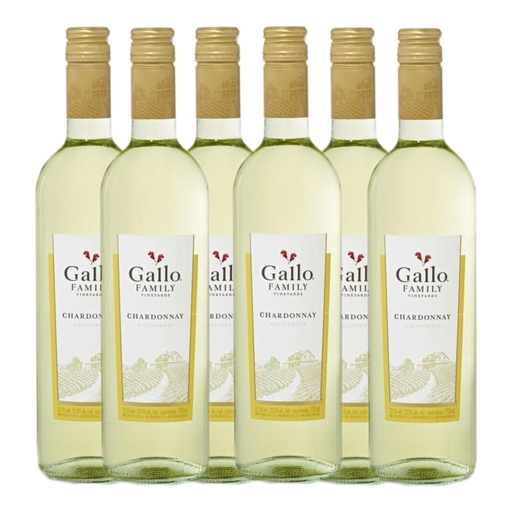
Why This Fits Their Persona: A safe bet for parties and social gatherings. The off-dry style appeals to a wide audience, and the case of 6 Chardonnay ensures you won't run out too quickly.
How It Avoids the Trap
This wine is transparent about its style: an approachable, off-dry Chardonnay from California. It doesn't try to be something it's not and reliably delivers a crowd-pleasing taste.
Key Advantage & Pros
The wine is very approachable with aromas of green apple and melon, rounded out by a hint of vanilla. It pairs well with vegetarian dishes and pasta.
Looking for more options?
We have compiled a complete, up-to-date list of products that fully meet these strict selection criteria.
Frequently Asked Questions
1. What does "dry" really mean for a Chardonnay?
The term "dry" refers to the wine's residual sugar content. According to German wine law, a wine labelled as dry can have a maximum of 9 grams of residual sugar per litre. This does not mean the wine lacks fruit flavours. A dry Chardonnay can taste intensely of fruits like apple, pear, or pineapple, but it has no perceptible sweetness on the finish.
2. How long does a Chardonnay in a bag-in-box last?
A major advantage of the Chardonnay bag-in-box is its shelf life. Unopened, the wine can last for several months. After the first pour, the internal vacuum system prevents contact with oxygen. This allows the wine to stay fresh for four to six weeks without losing quality when stored in a cool place—a clear advantage over an opened bottle.
3. What food pairs best with Chardonnay?
Chardonnay is extremely versatile. The right food pairing depends on the style of the wine:
- Light, unoaked Chardonnays (often from Italy or German Kabinett styles) pair excellently with light fish dishes, seafood, salads, and white poultry.
- Bold, barrel-aged Chardonnays (typical of California or Burgundy) harmonise wonderfully with roasted chicken, creamy pasta sauces, risotto, or even veal dishes.