
Lieferung heute & morgen

Qualitätsgarantie

Willkommens-Angebote freischalten: KOSTENLOSE Lieferung | Bis zu 80 % RABATT | Kostenlose 30-Tage-JoyPlus-Testphase
App herunterladen
If you prepare Chinese dishes at home, you’ll find plenty of products sold as Chinese cooking wine, Shaoxing cooking wine or Chinese rice wine for cooking. But the differences go beyond the name. Alcohol content, salt levels, ingredients and bottle size all affect how well a cooking wine works in marinades, stir-fries and braised dishes.
A common mistake is to focus solely on terms such as “traditional”, “aged” or “authentic”. The specific details on the label are more informative.
Shaoxing and Huadiao wines may be sold both as drinks and for cooking. A dedicated cooking wine often contains added salt, spices, colourings or flavour enhancers and is not intended to be drunk neat. By contrast, a product labelled as drinking wine may have a different flavour profile and a higher price.
Before buying, decide whether you’re looking for Chinese rice wine for cooking or a versatile rice wine.
A cooking wine with no added preservatives, colourings or flavour enhancers may still contain salt. For example, the Liu Bi Ju Zero-Additive Cooking Wine 1L lists water, yellow rice wine, salt and spices as ingredients. Here, the description refers to certain additives, not to a complete absence of salt.
If you want precise control over seasoning, compare the nutrition information and ingredients lists.
Depending on the product, Chinese cooking wine contains measurable amounts of alcohol. Some of it may evaporate during cooking, but the amount depends on the temperature, cooking time and method. It’s especially important to consider the alcohol content when briefly stir-frying or preparing dishes that aren’t heated through thoroughly.
For a well-balanced dish, the ingredients list matters more than a marketing name. A classic cooking wine may contain rice wine, water, salt and spices. Other varieties also contain E621, E635 or caramel colouring.
One example is Liubiju Family Cooking Wine 500ml. According to the product information, it contains water, ethanol, rice wine, salt, spices, caramel colouring and E621. Its salt content of 8,63 g per 100 ml is something to bear in mind when seasoning your dish.
If you prefer a shorter ingredients list, you can choose varieties marketed accordingly. Even so, always check the current packaging information when you shop.
A higher alcohol content may have a different effect on the flavour of a marinade or braised dish than a lower-alcohol cooking wine. According to the product information, Kuai Ji Shan 5-Year Aged Chunzheng Shaoxing Wine 500ml has an alcohol content of at least 14 % vol. It is made from water, glutinous rice, wheat and caramel colouring, and is described as having been aged for five years.
Other cooking wines are listed in the product details at around 10 % vol., while some Huadiao varieties are labelled as 15 % or 20 % vol. If you want to keep alcohol to a minimum at home, checking the percentage by volume is essential. “Low-alcohol cooking wine” is not a standardised product category.
A 500 ml bottle is suitable for occasional cooking and reduces the chance of an opened bottle being left for a long time. For regular use or larger, catering-sized quantities, 1-litre to 1.9-litre bottles offer better value.
Storage advice after opening varies: some products should be kept in a cool, dry place, while others are recommended for refrigeration. Keeping the bottle tightly sealed and following the storage instructions on the packaging will help preserve its aroma and quality.
The selection below groups products by practical use. It doesn’t replace checking the current ingredients and nutrition information for each product.
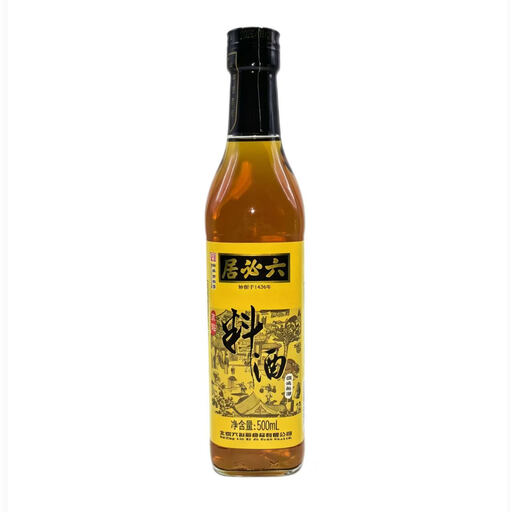
Why this product suits this profile: The 500 ml bottle is a good size for trying cooking wine in Chinese dishes, and can be used for marinades, stir-frying, braising and steaming.
It is clearly described as an ingredient for cooking, making it easy to distinguish from wine intended purely for drinking.
500 ml bottle; according to the product information, suitable for meat, poultry and seafood, as well as stir-frying and braising.
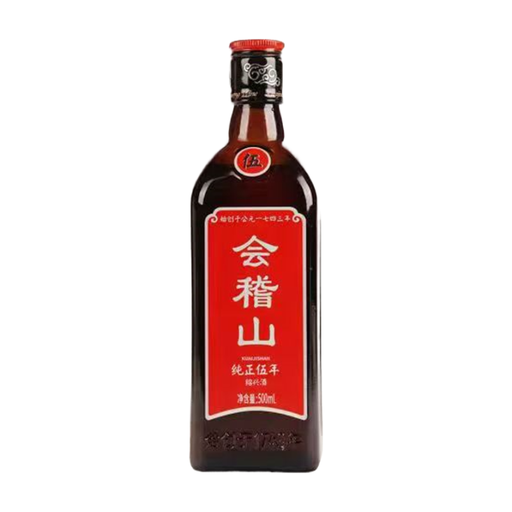
Why this product suits this profile: Described as being made with a base wine aged for five years, it’s aimed at shoppers who look for details of origin and ageing when choosing Shaoxing cooking wine.
The product information specifies the ingredients, allergens, alcohol content and ageing period, rather than relying on vague claims about quality.
Water, glutinous rice and wheat are listed as the main ingredients; at least 14 % vol. alcohol according to the product information.
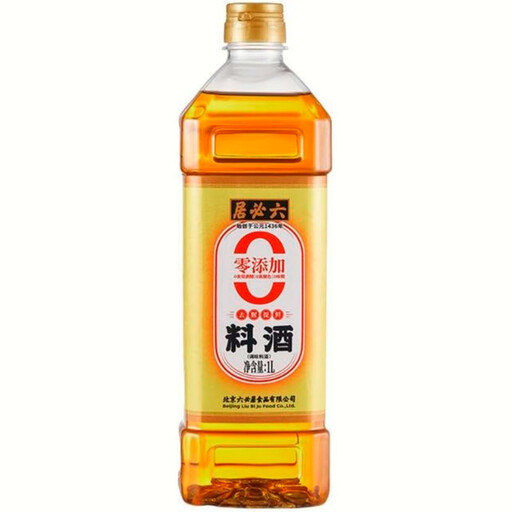
Why this product suits this profile: The 1-litre size is practical for regular cooking, larger households and professional kitchens with frequent use.
The “Zero-Additive” claim is accompanied by a specific ingredients list. Wheat is listed as an allergen, so bear this in mind if you have an intolerance.
1 litre; according to the product information, made without added preservatives, colourings or MSG.
We’ve put together a complete, regularly updated list of products that meet these strict selection criteria and fully comply with the safety regulations in force in the EU.
Shaoxing cooking wine is a specific type of Chinese rice wine. Chinese cooking wine is a broader term that also includes Huangjiu, Huadiao and blended seasoned wines containing salt and spices.
It depends on the product and its storage instructions. Keep the bottle tightly sealed in a cool place away from light. If the manufacturer recommends refrigeration, follow that advice. Changes in smell, colour or taste are signs that it should no longer be used.
This is possible in some recipes, but the salt content, sweetness and flavour will change. If you’re replacing cooking wine in a marinade, adjust the other seasonings accordingly. Unsalted rice wine gives you more control, while ready-to-use cooking wine can make preparation easier.