
Lieferung heute & morgen

Qualitätsgarantie

Willkommens-Angebote freischalten: KOSTENLOSE Lieferung | Bis zu 80 % RABATT | Kostenlose 30-Tage-JoyPlus-Testphase
App herunterladen
The world of rice wine is vast and can be overwhelming for many home cooks at first. Whether you're preparing an authentic Chinese dish, planning a Korean-themed evening with friends, or simply want to stock your pantry with versatile Asian ingredients – choosing the right rice wine is crucial. However, unclear labels and marketing promises often lead to confusion and poor choices.
This guide will help you navigate the most common pitfalls and make an informed decision that perfectly suits your culinary needs.
Before we dive into the details, let's look at the typical issues that lead to disappointment in the kitchen or when enjoying the wine.
To avoid these mistakes, focus on three simple yet crucial features on the label and in the product description.
The term rice wine is an umbrella term for a wide variety of products. The origin provides the first and most important clue to its intended use:
The easiest way to distinguish a dedicated cooking wine from a drinking wine (which can also be used for cooking) is to look at the ingredient list.
The alcohol content also provides clues about its use. Cooking wines often have an alcohol content between 14% and 20%. Beverages like Makgeolli are usually much lower (3% to 8%). A higher alcohol content in a cooking wine helps to extract flavours from ingredients and more effectively neutralise unwanted odours.
To make your decision easier, we have matched some products to different user profiles.
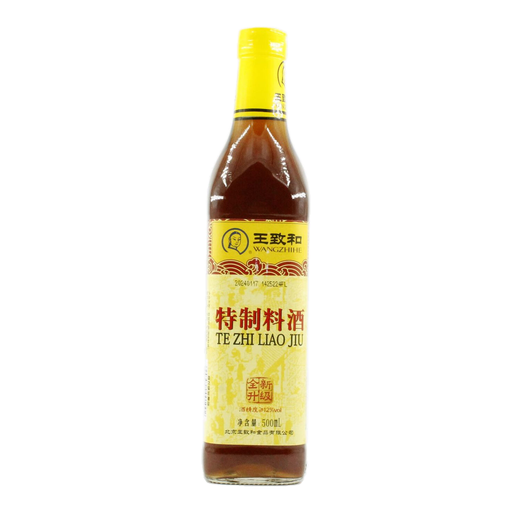
Why this product is a great fit: Perfect for anyone starting to cook authentic Chinese dishes. It's a straightforward, specially formulated Chinese cooking wine that reliably removes unwanted odours from meat and fish, providing a foundational depth of flavour for marinades and stir-fries.
This product is clearly labelled as a cooking wine and contains salt. This prevents the "cooking wine vs. drinking wine" fallacy from the start. You get exactly what you need for your cooking.
Formulated to eliminate odours and enhance flavour in Chinese cuisine. Convenient size for regular use.
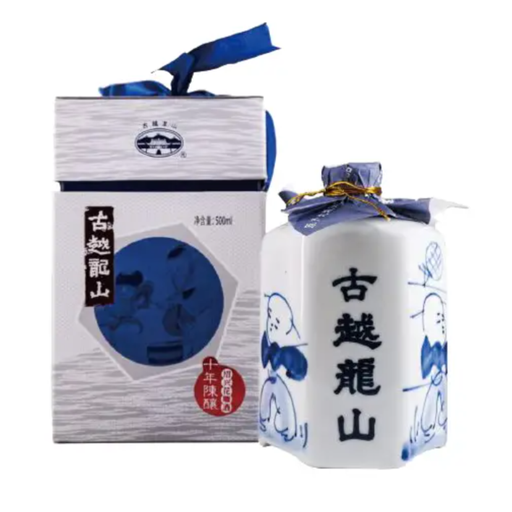
Why this product is a great fit: For chefs who want to take the next step and give dishes like "Dongpo Rou" (braised pork belly) or "Drunken Chicken" an authentic, deep, and complex flavour note. The 10-year ageing process provides an incomparably smooth and aromatic profile.
This is a genuine, aged Shaoxing wine with no added salt. It debunks the "all-purpose wine" myth by offering a specific, high-quality flavour profile for sophisticated Chinese cuisine that a simple cooking wine cannot match.
Aged for 10 years for a complex, smooth aroma. Versatile enough for ambitious cooking projects and for enjoying as a warmed beverage.
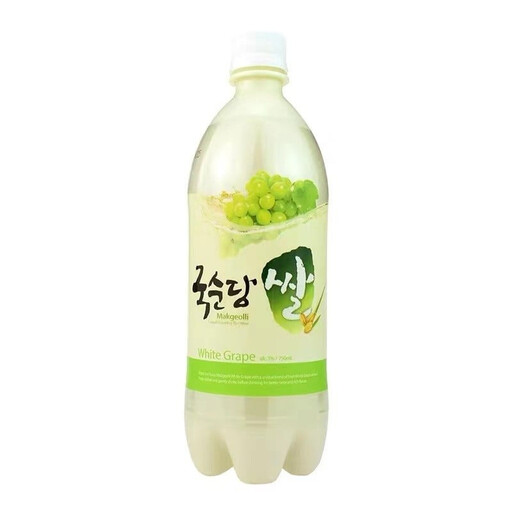
Why this product is a great fit: Perfect for anyone curious about modern Korean beverage culture. This product combines traditional, milky rice wine with the fruity taste of white grapes. It's a refreshing, slightly sweet drink for social gatherings.
The clear "Makgeolli" label and "White Grape" flavour prevent any confusion with a cooking wine. It is clearly positioned as a beverage for enjoyment and meets the expectation of a light, fruity drink.
A modern take on a traditional Korean beverage. Refreshing, slightly sweet, and best enjoyed chilled.
We have compiled a complete, up-to-date list of products that fully meet these strict selection criteria and local regulations.
No, that's not recommended. The most important difference is the addition of salt. Dedicated cooking wines (Liaojiu) contain salt and are not suitable for drinking. Conversely, while you can use drinking wines like Shaoxing or sake for cooking—and this is even desirable for high-quality dishes—it can be a costly choice for everyday marinades.
The main difference lies in the flavour profile and application. Chinese cooking wine (especially Shaoxing) is more robust, has a darker colour, and a complex, nutty aroma. It is ideal for long braises, red marinades, and rich sauces. Cooking sake is generally lighter, drier, and more subtle in taste. It is used in Japanese cuisine to add umami and enhance the natural flavour of fish and seafood without overpowering it.
The shelf life depends on the type. Salted cooking wines are well-preserved by the salt and will last for several months in a cool, dark place after opening. Unsalted drinking and cooking wines like Shaoxing or sake should be stored in the refrigerator after opening and consumed within a few weeks to a month, as they will lose their aroma. Fresh products like Makgeolli have a much shorter shelf life and should be refrigerated and consumed within a few days of opening. Always check the instructions on the packaging.