
Lieferung heute & morgen

Qualitätsgarantie

Willkommens-Angebote freischalten: KOSTENLOSE Lieferung | Bis zu 80 % RABATT | Kostenlose 30-Tage-JoyPlus-Testphase
App herunterladen
Whether it's a garden hose that's too short to water the back of the flowerbed or a network cable that won't reach a new workstation, the problem is often the same: a reliable connection is missing. A coupler might seem like a simple solution, but the selection is vast and the quality differences are significant. The wrong choice can quickly lead to frustration, from dripping connections in the garden to an unstable internet connection in the office.
This guide highlights the most common pitfalls when buying couplers and explains which technical specifications truly matter. This will help you find a suitable and durable component without being swayed by marketing promises.
Many buyers focus solely on price, which often leads to subsequent problems. You should be aware of two typical sources of error:
To make an informed decision, you should examine three core aspects: material, compatibility, and functionality.
The material is crucial for the durability and intended use of a coupler.
A coupler is only as good as its connection to the existing components.
Consider exactly what function the coupler needs to perform. Do you just need a simple connector piece or an adapter to join two elements? Or are you looking for a distribution solution, like a Y-splitter, to divide one water source between two hoses? Choosing the right type is crucial for an efficient solution to your problem.
Here are some recommendations tailored to different needs and requirements.
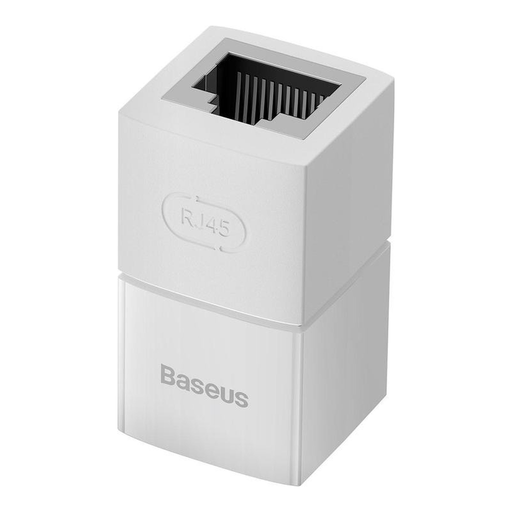
Why it fits the profile: Ideal for home offices or small businesses where multiple network cables need to be extended cost-effectively. The 10-pack provides a convenient supply for future adjustments to the network infrastructure.
Addresses the problem of performance loss, as the coupler supports data transfer rates of up to 1000 Mbps according to the manufacturer. This prevents the coupler from becoming a bottleneck in a gigabit network.
Cost-effective solution in a 10-pack. The PVC housing provides sufficient stability for indoor use.
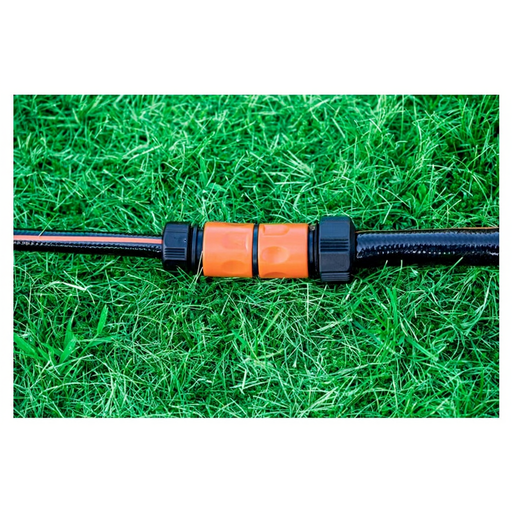
Why it fits the profile: For garden owners with large areas who need a durable and reliable hose extension without compromising on water pressure or durability.
Counteracts material fatigue as it is made from an impact-resistant, weather-resistant polymer. The reliable sealing system also prevents performance loss from leaks and maintains water pressure.
Robust, UV-resistant construction for a long service life. Universally compatible with most standard garden hoses and quick-connect systems.
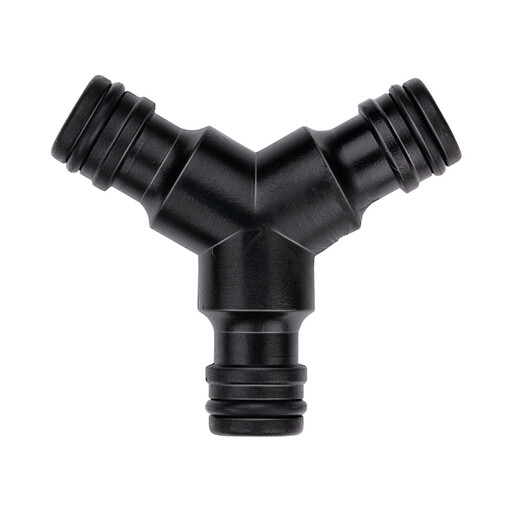
Why it fits the profile: Perfect for users who want to make their irrigation more efficient by splitting a water source to operate a lawn sprinkler and a garden nozzle simultaneously, for example.
Solves a specific functional problem (distribution instead of just extension), thus avoiding the purchase of multiple unsuitable individual parts. The construction of ABS plastic with a stainless steel finish offers a good balance of durability and function.
Enables the simultaneous use of two hoses from one water source. Compact and functional design for easy handling.
We have compiled a complete, up-to-date list of products that fully meet these strict selection criteria and applicable safety regulations.
Does a LAN coupler reduce my internet speed? A high-quality LAN coupler designed for the appropriate standard (e.g., Gigabit Ethernet) should not noticeably affect speed in typical home or office use. This is provided that the total cable length does not exceed the recommended maximum of 100 metres.
Are all hose couplings from different brands compatible with each other? Many manufacturers in Germany and Europe use a common plug-in system, which allows for broad compatibility. However, minimal manufacturing tolerances can lead to leaks. You are on the safe side if you use components from a single manufacturer's system or choose a hose coupling that is explicitly advertised with universal compatibility.
How can I extend the lifespan of my garden hose coupling? Store the coupling in a frost-free location during winter, protected from direct sunlight, to preserve the material. Regularly check the seals for wear and tear and clean any dirt from the coupling. Avoid dropping the coupling on hard surfaces like concrete.