
Lieferung heute & morgen

Qualitätsgarantie

Willkommens-Angebote freischalten: KOSTENLOSE Lieferung | Bis zu 80 % RABATT | Kostenlose 30-Tage-JoyPlus-Testphase
App herunterladen
An electric kettle is a staple in every kitchen. Its job is simple: to boil water quickly and safely. Yet, the market is flooded with options and a wide array of marketing claims, often leading to purchases you later regret. As your Joybuy Product Recommendation Officer, I'm here to help you navigate the common pitfalls and find an appliance that truly fits your needs.
Before we look at desirable features, let's highlight the problems that often only become apparent after the purchase.
To avoid a bad purchase, focus on a few essential features.
The area where the water is heated is the most important part of the appliance.
The most common size is the 1.7-litre kettle. This volume is enough for about 6–7 cups and is ideal for families or when you regularly need larger quantities of water, such as for boiling pasta. For single-person households or couples, a smaller model with 1 to 1.25 litres may be sufficient and more energy-efficient.
The power, measured in watts (W), determines the boiling speed.
Nearly every modern cordless kettle features a 360° base, allowing the kettle to be placed on and lifted off from any direction.
Some functions offer real added value, while others are rarely used.
Here are some models tailored to specific user profiles that meet the criteria mentioned above.
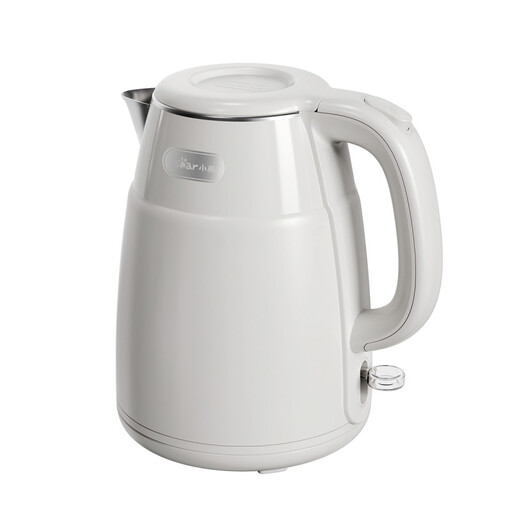
Why it's a good fit: Ideal for budget-conscious households looking for a reliable and safe appliance without unnecessary bells and whistles. It focuses on the core functions and performs them well.
According to the manufacturer, the interior is made of SUS 304 stainless steel, thus avoiding the material trap. The water does not come into contact with plastic.
Offers essential safety features like auto shut-off and boil-dry protection in a compact and affordable package.
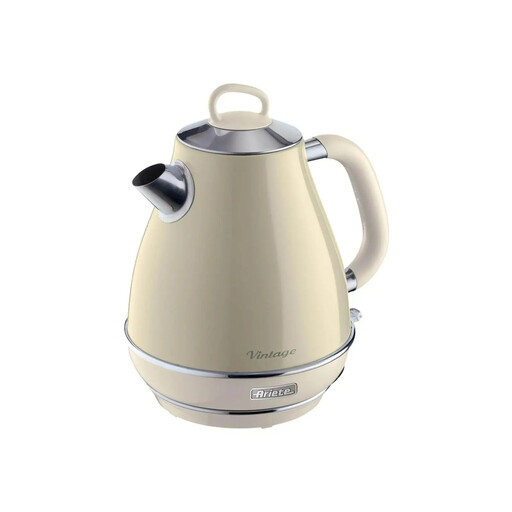
Why it's a good fit: For anyone looking for a functional statement piece for their kitchen. This retro kettle combines appealing design with a generous 1.7-litre capacity.
Despite its focus on design, functionality is not neglected. An external water level indicator and auto shut-off prevent the design dilemma of an impractical appliance.
The body, made of painted stainless steel, is robust, and the removable limescale filter simplifies cleaning. The 360° base ensures comfortable handling.
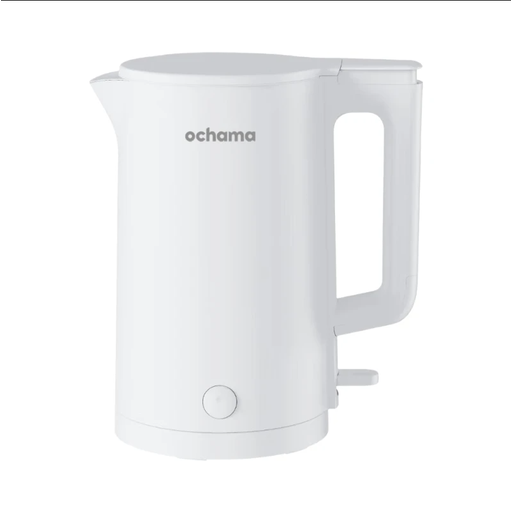
Why it's a good fit: Perfect for tea drinkers or new parents who frequently need water at a specific temperature. The combination of large capacity and convenience features simplifies daily life.
The keep-warm function is not a gimmick here, but a well-thought-out feature for specific use cases. The inner pot made of 304 stainless steel ensures water quality.
Automatically keeps water warm at 55°C after boiling. This saves time and energy, as the water doesn't need to be constantly re-boiled.
We have compiled a complete, up-to-date list of products that fully meet these strict selection criteria and safety regulations.
The frequency depends on the water hardness in your area. With hard water, descaling every one to two months is recommended. With soft water, descaling quarterly is often sufficient. Regular descaling not only ensures better taste but also maintains the efficiency of the heating element and extends the life of the appliance.
An appliance with a higher wattage consumes more power per unit of time but takes less time to boil. Therefore, the total energy consumption per boiling cycle is only slightly higher. The difference is most noticeable with very frequent use. For the average household, a model in the 1800–2200 W range is a good compromise between speed and efficiency.
Yes, as a rule. High-quality, food-grade stainless steel (like Type 304) is an inert material that does not react with water and therefore does not impart any taste. New plastic kettles may initially have a slight plastic taste, but this usually disappears after boiling water in them a few times. For sensitive palates, a stainless steel kettle or a glass one is often the better choice.