
Lieferung heute & morgen

Qualitätsgarantie

Willkommens-Angebote freischalten: KOSTENLOSE Lieferung | Bis zu 80 % RABATT | Kostenlose 30-Tage-JoyPlus-Testphase
App herunterladen
A lunch box should transport food safely, while food storage containers should keep leftovers and supplies organised and protected. In practice, unclear product details, unsuitable closures or inaccurate temperature claims can quickly lead to disappointing purchases. The key consideration is therefore not just capacity, but the combination of material, seal, intended use and care requirements.
A container described as a leak-proof lunch box may work reliably for dry foods, but reach its limits with soup or sauce. Look for clear, verifiable features such as:
Before transporting the container, make sure the lid is fully closed and secured. Seals must be kept free from food residue and must not show any cracks.
‘Heat-resistant’ does not automatically mean that every component can go in the microwave. With many containers, the lid must be removed. A microwave-safe food storage container is not necessarily suitable for use in the oven.
Always check the following:
One example is the Mepal Cirqula Multi Bowl: according to the product details, the container is suitable for the microwave and freezer, but the lid must be removed before heating. The stated maximum temperature is 110 °C.
A large container can be practical for family portions or meal prep, but may take up a lot of space in a full work bag. Smaller capacities are often sufficient for snacks and packed lunches. Also check whether the shape fits in fridge compartments, a rucksack or a school bag.
As a rough guide:
Plastic is usually lightweight and practical for children, commuters and use on the go. Look for food-contact certification and details such as BPA-free construction. Depending on the product, plastic containers may be suitable for the microwave, freezer and dishwasher; these features should be explicitly stated.
Glass food containers let you see the contents at a glance and, when cleaned properly, are less likely to absorb odours. Borosilicate glass is designed to withstand changes in temperature, but can be damaged by knocks or severe thermal stress. Hot containers should not be placed directly on very cold surfaces.
Stainless steel food storage containers are robust, low-odour and suitable for transporting food. However, stainless steel containers generally must not be used in the microwave. To heat the contents, transfer them to a suitable container unless the manufacturer states otherwise.
For liquid foods, a well-fitting silicone seal and secure closure are more important than particularly large capacity. A bento lunch box with removable compartments prevents side dishes and the main course from mixing directly. Separate inserts can also make cleaning easier, provided all parts are accessible.
For dry foods such as muesli, sugar or flour, airtight food storage containers with a tightly sealing lid are a sensible choice. Before buying, check whether the closure is actually intended for dry supplies or can also be used with liquids.
A dishwasher-safe lunch box saves time, although seals and lids often require special care. Removable silicone rings should be taken out regularly, cleaned and allowed to dry completely. For plastic containers, the manufacturer may also recommend cleaning them in the top rack of the dishwasher.
Stackable designs are useful for meal-prep containers. With freezer containers, do not fill the container right to the brim, as liquids can expand when frozen. Allow hot food to cool before sealing, if recommended in the instructions.
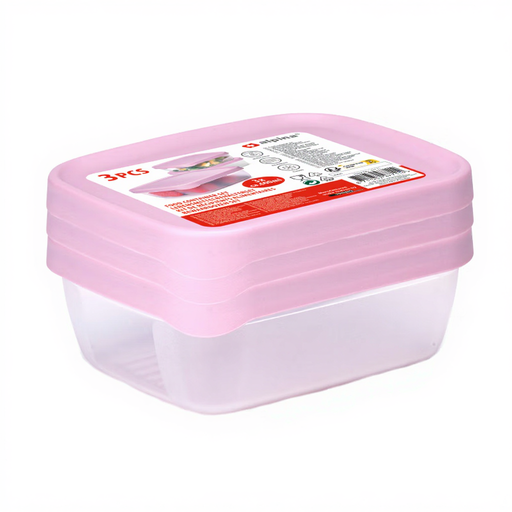
Why this product suits the profile: This set includes three food storage boxes in different sizes, making it suitable for leftovers, snacks or smaller household supplies.
The transparent containers make it easy to check the contents. For microwave, freezer and dishwasher use, follow the details on the product packaging.
Three sizes, stackable design and one universally compatible lid.
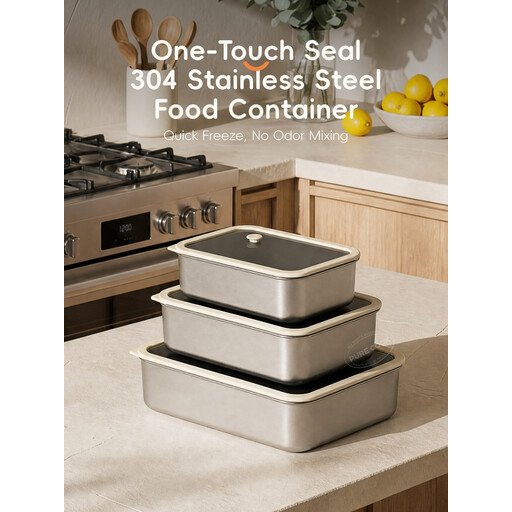
Why this product suits the profile: The combination of 304 stainless steel, borosilicate glass lids and three capacities is suitable for fridge storage, meal prep and storing a variety of foods.
The material details are specific: 304 stainless steel, glass lids and silicone rings. Follow the relevant manufacturer’s instructions before heating or freezing.
Three sizes with capacities of 1,000, 1,800 and 3,000 ml; the containers can be nested inside one another and stacked.
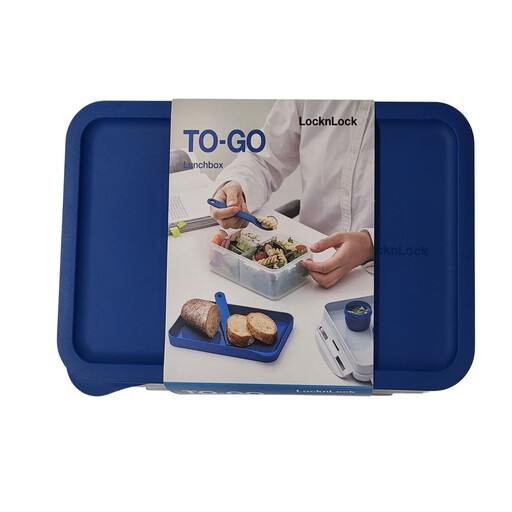
Why this product suits the profile: Three removable compartments, a cutlery set and a sauce container make it suitable for work, school, commuting and portioned meals.
The four-sided closure system and silicone seal are designed for airtight, leak-proof transport. The lid must be removed before using the container in the microwave.
1,000 ml capacity, three removable compartments, and freezer and dishwasher suitability according to the product details.
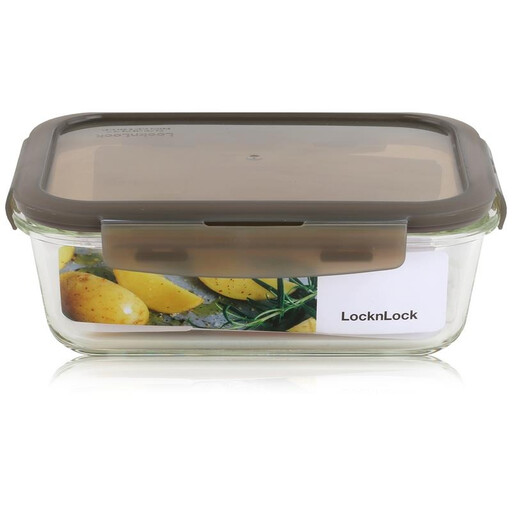
Why this product suits the profile: This glass container is suitable for smaller portions, leftovers and side dishes. The contents remain visible and, according to the product details, can be heated in the container.
The usage instructions clearly distinguish between the glass container and the lid: use in the microwave and oven only without the lid; the stated oven temperature is up to 400 °C for the container.
630 ml capacity, borosilicate glass, airtight and watertight closure, and freezer and dishwasher suitability according to the product description.
We have put together a complete, regularly updated list of products that fully meet these strict selection criteria and the safety regulations applicable in the EU.
For soup, sauces or yoghurt, choose containers with an all-round silicone seal and several closure clips. Also check whether the manufacturer explicitly describes the container as airtight or leak-proof. Keeping it upright in your bag is still advisable.
That depends on the material and the specific design. Stainless steel is generally not intended for microwave use. With plastic and glass containers, the lid often needs to be removed. Always observe temperature limits and the instructions for use.
Their service life depends on the material, cleaning routine, exposure to heat and general wear. Replace containers if the seal, lid or container shows cracks or deformation, or develops persistent strong odours. Gentle cleaning and avoiding unsuitable heat can help maintain their practicality for everyday use.