
Lieferung heute & morgen

Qualitätsgarantie

Willkommens-Angebote freischalten: KOSTENLOSE Lieferung | Bis zu 80 % RABATT | Kostenlose 30-Tage-JoyPlus-Testphase
App herunterladen
Rimless reading glasses have a discreet look, are easy to store and go with a wide range of outfits. The simple silver version is often sought as reading glasses for women and men for use at the office, at home or on the go. But what seems like a straightforward choice can still lead to a disappointing purchase: the wrong magnification, delicate lenses or poorly fitting arms can make them uncomfortable to use every day.
This buying guide explains what to look for before buying reading glasses without frames, and which models may suit different needs.
The 150D, 200D, 300D and 400D labels indicate different magnification levels. In product descriptions, these usually correspond to around 1.5 to 4.0 dioptres. However, a higher number isn’t automatically more comfortable. Depending on your needs, a lower or higher magnification may be more suitable for books, documents and screens.
Ready-made reading glasses are no substitute for individually prescribed eyewear. If you already need corrective lenses, have different prescriptions for each eye, or experience headaches or eye strain when wearing them, seek professional advice before choosing a pair.
With a rimless design, the lenses aren’t enclosed by a full frame. This reduces the number of visible elements and can keep the weight down. At the same time, the fixings and arms become more prominent features, so check the screw joints, nose pads and lens mounts carefully.
Marketing claims such as “unbreakable” or blanket promises about durability are no substitute for specific product details. How long durable reading glasses last also depends on how you transport, clean and store them.
Reading glasses are designed for close-up use. According to the product details, the models featured here are not safety glasses, and aren’t intended for driving or operating heavy machinery. You should also avoid extreme heat and prolonged direct sunlight. These warnings should be part of your buying decision, not just fine print.
First, check whether the strength you want is right for how you usually use your glasses:
The term “magnifying reading glasses” describes the product’s optical design; it doesn’t indicate any medical benefit. If you experience persistent eye strain, stop using them and seek advice from an optician.
Lightweight reading glasses without a full frame can feel less noticeable when you’re reading. Even so, check the following:
For longer sessions at the office or at home, weight isn’t the only thing that matters. Fit, distance from the text and suitable lighting can all affect reading comfort.
Product details may specify metal or plastic components, magnifying lenses and, in some cases, a protective case. A soft microfibre cloth is suitable for cleaning. Harsh cleaning products, loose items in your bag and high temperatures can damage the surface or fixings.
These models are designed as classic reading glasses for close-up use. They shouldn’t be used as protective or safety equipment for any other purpose.
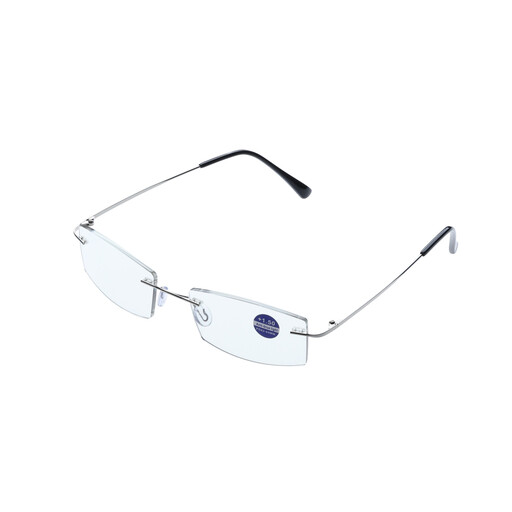
Why this product suits your needs: The 150D version may appeal if you’re looking for lower magnification for occasional reading of books, documents or screens. Its silver rimless design is made for both women and men.
The clearly stated 150D strength makes it easier to compare with stronger options and avoid choosing magnification that’s unnecessarily high.
Rimless design, silver finish and a protective case included, according to the product description.
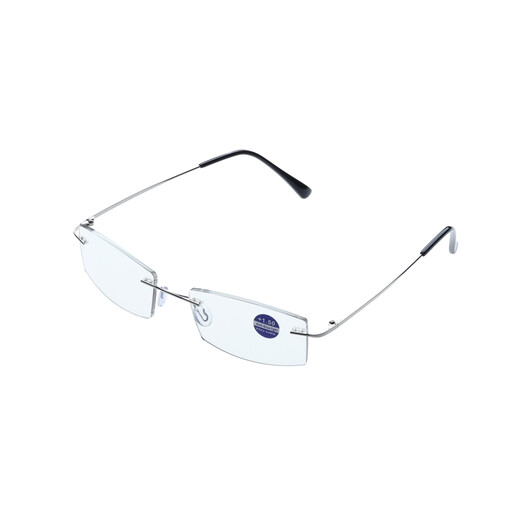
Why this product suits your needs: The 350D version is for readers looking for stronger magnification to suit their needs, as well as a classic, unisex design.
The strength is clearly stated in the model name, making it easy to compare with 300D or 400D options before you buy.
Silver rimless design; according to the product details, they’re intended for use at the office and at home.
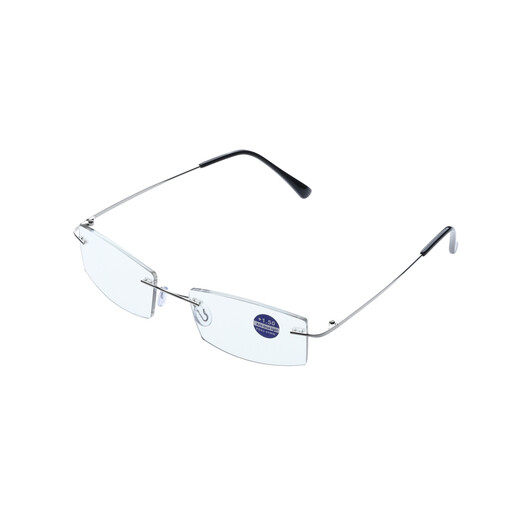
Why this product suits your needs: The 250D version sits between the commonly sought 2.0 and 3.0 dioptre strengths, so it may suit readers looking for a mid-range magnification.
This in-between strength gives you another option to compare, rather than having to choose between low and significantly stronger magnification.
Silver rimless design and clearly labelled model; the EU responsible person is listed in the product information.
We’ve put together a complete, regularly updated list of products that meet these strict selection criteria and the safety regulations applicable in the EU.
To help your rimless reading glasses last as long as possible, take them off using both hands and avoid carrying them loose in a bag. Clean the lenses with a suitable microfibre cloth and, after use, store them in the case if one is included.
Reading glasses for the office and home shouldn’t be left on your head for long periods or placed lenses-down. If you notice cracks, loose fixings or significant scratches, check whether they’re still safe to use. If you experience headaches or eye strain, take them off.
It depends on your individual close-up vision needs, reading distance and any eyewear you already use. The selection includes strengths from 150D to 400D, or approximately 1.5 to 4.0 dioptres. If you’re unsure or need different strengths for each eye, seek advice from an optician before buying.
According to the product descriptions, the models featured here are intended for reading books, documents and digital screens. The distance from your monitor, your sitting position and the magnification you choose all matter. Reading glasses aren’t automatically designed specifically for computer work and must not be worn while driving.
A protective case, careful handling, regular cleaning with a microfibre cloth and keeping them away from heat can all help protect the materials. Rimless models can be sensitive to knocks and pressure, so avoid placing them under heavy objects.