
Lieferung heute & morgen

Qualitätsgarantie

Willkommens-Angebote freischalten: KOSTENLOSE Lieferung | Bis zu 80 % RABATT | Kostenlose 30-Tage-JoyPlus-Testphase
App herunterladen
As your Joybuy Product Recommendation Officer, I often see the confusion that arises in the flour aisle. You have a recipe for mochi, a gluten-free cake, or a Thai soup, and you're faced with a wall of packages: rice flour, glutinous rice flour, from Thailand, from Vietnam. Choosing the wrong product not only leads to disappointment in the kitchen but is also a waste of time and money.
Many shoppers fall into two common traps. First, they confuse regular rice flour with glutinous rice flour, which leads to a completely different result—instead of chewy mochi, they get a crumbly lump. Second, people with gluten intolerance might grab a rice flour that, while naturally gluten-free, contains traces of wheat due to cross-contamination. This guide will help you avoid these mistakes and find the perfect rice flour for your culinary project.
To choose the right rice flour, you only need to understand two fundamental properties. These will determine the success or failure of your dish.
The most important factor is the type of rice the flour is milled from. This significantly influences the texture of the final product.
Regular Rice Flour: This is made from long-grain or medium-grain rice. It has a high amylose starch content, which gives it a light, fluffy, and non-sticky texture. It's excellent for baking airy pastries, making rice paper, creating crispy batters (tempura), or as a thickening agent for sauces and soups. It is the standard rice flour for baking.
Glutinous Rice Flour (or Sweet Rice Flour): This flour is milled from short-grain glutinous rice (sticky rice). Its key characteristic is a very high amylopectin starch content. When heated with liquid, it develops a distinctly sticky, chewy, and elastic consistency. It is the essential ingredient for dishes like Japanese mochi, Chinese Tang Yuan (filled glutinous rice balls), or Thai desserts. The name "glutinous" refers to its sticky texture, not gluten—glutinous rice flour is also gluten-free.
The choice between these two types is not interchangeable. Using regular rice flour for a mochi recipe will fail, just as glutinous rice flour would make a cake dense and gummy.
Although rice is naturally gluten-free, not every gluten-free rice flour on the shelf is safe for people with celiac disease. The problem is cross-contamination. If the rice flour is processed in the same mills or packaging facilities as wheat flour, traces of gluten can end up in the product.
Therefore, always look for two things on the packaging:
Here are some recommendations tailored to the typical profiles of home cooks and bakers.
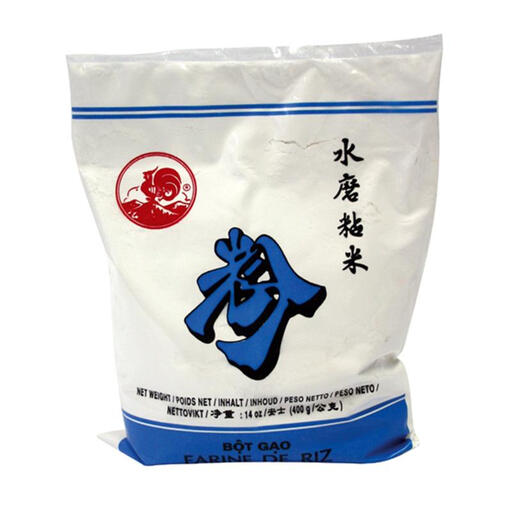
Why This Fits Their Persona: Ideal for anyone taking their first steps into Asian cooking. This flour is an all-rounder for recipes that require a light texture, such as Vietnamese crêpes (Banh Xeo), thickening curries, or making simple rice noodles.
This is a clearly-labelled, non-glutinous Asian rice flour. This prevents the most common mistake of accidentally using glutinous rice flour for a recipe that requires a delicate, non-chewy consistency.
Made from 100% Thai rice, which ensures an authentic, neutral flavour. The fine grind guarantees a smooth consistency in sauces and batters.
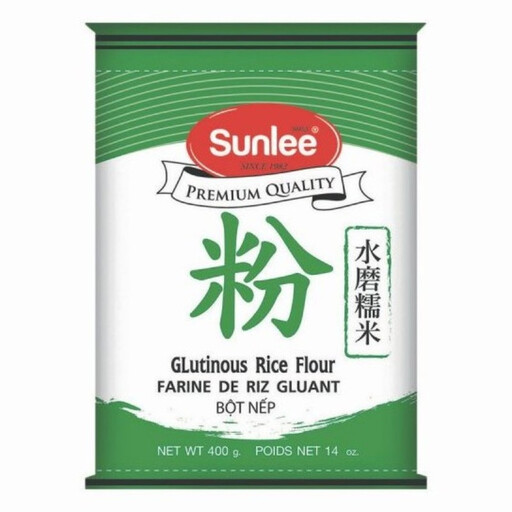
Why This Fits Their Persona: For anyone who loves the authentic, chewy texture of Asian desserts. This flour is the foundation for homemade mochi, glutinous rice balls, or Filipino Palitaw.
The clear labelling as Glutinous Rice Flour ensures you get the exact type of starch needed for the desired sticky-chewy consistency, preventing you from grabbing the wrong flour.
Made from high-quality glutinous rice, which guarantees consistent quality and the typical texture. The fine grind ensures smooth mixing without lumps.
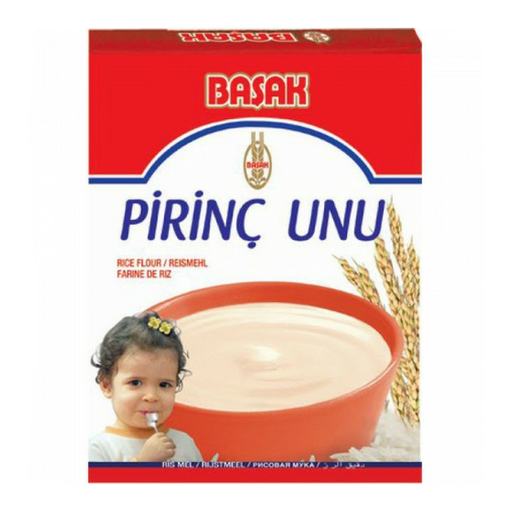
Why This Fits Their Persona: A reliable choice for anyone who needs a versatile, gluten-free flour alternative. It is suitable for thickening sauces, preparing Turkish puddings like Sütla?, or as a component in gluten-free flour blends for bread and pastries.
This product avoids the cross-contamination trap. According to the manufacturer, it does not contain any of the common allergens, making it a safer choice for people with celiac disease than products with a "may contain traces of wheat" warning.
Consists of 100% rice flour with no other additives. Its fine, silky texture dissolves well in liquids, making it particularly good for thickening without clumping.
We have compiled a complete, up-to-date list of products that fully meet these strict selection criteria.
The difference lies in the rice variety used and its starch content. Regular rice flour is made from long-grain rice and yields a light, delicate texture. Glutinous rice flour is made from sticky rice and becomes sticky, chewy, and elastic when cooked. The two are not interchangeable for most recipes.
In most cases, not directly. Since rice flour contains no gluten, it lacks the binding and elastic structure that wheat flour provides in baking. For sauces and breading, it's often a good substitute. When baking bread or cakes, gluten-free rice flour often needs to be combined with other flours (like tapioca or corn) and a binding agent such as xanthan gum to achieve a good structure.
Rice flour should be stored in a cool, dry, and dark place. After opening, it's best to transfer the flour to an airtight container. This protects it from moisture, foreign odours, and pests, and preserves its freshness.