
Lieferung heute & morgen

Qualitätsgarantie

Willkommens-Angebote freischalten: KOSTENLOSE Lieferung | Bis zu 80 % RABATT | Kostenlose 30-Tage-JoyPlus-Testphase
App herunterladen
As a Joybuy Product Recommendation Officer, I often see well-intentioned cooking projects fail because of one simple yet crucial ingredient: the wrong rice flour. The variety on the shelf can be overwhelming, leading to mistaken purchases that render the result inedible. So, before you grab a bag, let's shed light on the most common pitfalls to ensure your next dish turns out exactly as you envision.
A typical mistake is assuming that all rice flour is the same. This often leads to a crispy Vietnamese pancake (Banh Xeo) having a gummy, chewy consistency, or a Japanese mochi becoming crumbly and hard. Another point is overlooking the origin and grind size, which can compromise the dish's authenticity. Furthermore, many products are blends with other starches, which isn't always apparent at first glance.
To avoid disappointment, you should check three fundamental properties before buying. These will determine the texture, flavour, and success of your recipe.
This is the most critical distinction. The type of rice used determines whether your dish will end up sticky and chewy or soft and light.
The fineness of the flour influences how smooth and uniform the batter becomes. A finer flour dissolves better in liquids and leads to a more delicate final texture, which is especially important for desserts and fine cakes. Asian rice flour is often wet-milled, a process where the rice is soaked in water before grinding. This can result in a particularly fine and smooth flour, preferred for making paper-thin rice noodles or steamed rice rolls (Banh Cuon).
Although rice flour is gluten-free, cross-contamination can occur during processing. Individuals with celiac disease or severe gluten intolerance should therefore always check the label for warnings like "May contain traces of gluten/wheat." Some products, especially flour blends for specific dishes, also contain tapioca starch or other binders to achieve a particular texture. Check the ingredients list if you need pure rice flour.
Here are some recommendations tailored to specific needs and culinary projects.
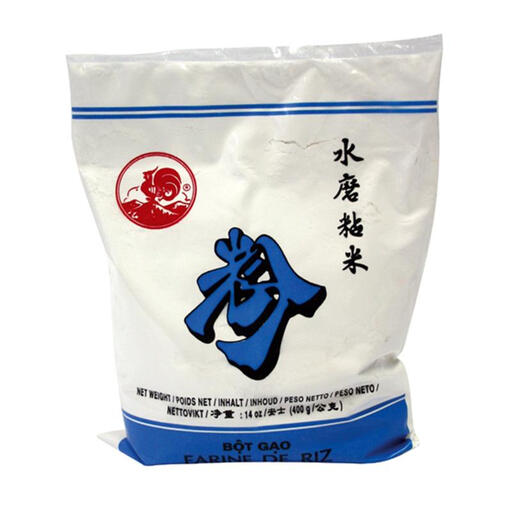
Why This Fits Their Persona: This flour is a versatile all-rounder from Thailand, making it an excellent starting point for a variety of recipes, from preparing rice noodles to thickening curries. It's a straightforward, standard rice flour that provides a solid foundation for initial cooking attempts.
The clear labelling as "Rice Flour" prevents confusion with glutinous rice flour. It delivers the expected soft, non-sticky texture for a wide range of dishes.
Made from 100% Thai rice; neutral flavour that doesn't alter the dish's aromas; fine texture for smooth sauces and batters.
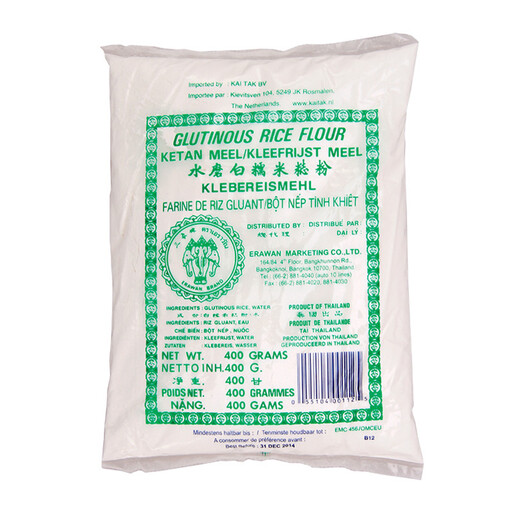
Why This Fits Their Persona: Anyone who loves the authentic, chewy texture of mochi, pearl balls, or other Asian sweets absolutely needs a true glutinous rice flour. This product from the well-known brand Erawan is specifically designed for this purpose and reliably delivers the desired result.
The explicit designation "Glutinous Rice Flour" ensures you don't accidentally grab regular rice flour. It solves the problem of failed desserts that turn out hard and crumbly from using the wrong type of flour.
Made from 100% glutinous rice; creates the characteristic elastic, chewy texture; an authentic product from Thailand that is widely used in Asian cuisine.
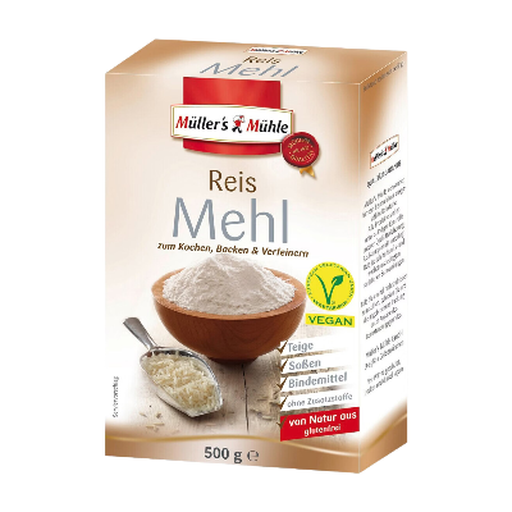
Why This Fits Their Persona: For those seeking a reliable, gluten-free alternative to wheat flour for everyday use, this product is ideal. It's suitable for baking cakes and bread, for breading, or as a thickener for soups and sauces, all without imparting a strong flavour of its own.
As a product from a well-known German manufacturer, it is clearly positioned for the European market and its cooking applications. There's no risk of confusing it with a specialty Asian glutinous rice flour.
Good binding and thickening properties; flavour-neutral and colour-neutral; from an established German manufacturer. (Note: According to the manufacturer, the product may contain traces of wheat).
We have compiled a complete, up-to-date list of products that fully meet these strict selection criteria and current regulations.
1. What is the difference between rice flour and glutinous rice flour? The main difference lies in the type of rice used and its starch content. Regular rice flour is made from long-grain rice and creates a soft, light texture. It is suitable for baking and thickening. Glutinous rice flour (or Sticky Rice Flour) is made from glutinous rice and becomes sticky, chewy, and elastic when cooked. It is the basis for desserts like mochi. The two flours are not interchangeable in most recipes.
2. Can I substitute rice flour 1:1 for wheat flour? Not always. Since rice flour contains no gluten, it lacks the elastic structure that wheat flour provides. For thickening sauces, it can often be used 1:1. In baking, rice flour alone often yields a denser and more crumbly result. For lighter baked goods, it is therefore often combined with other gluten-free flours and binders (like tapioca starch or xanthan gum).
3. How do I store rice flour properly to keep it fresh? Rice flour should be stored in a cool, dry, and dark place. After opening, it is advisable to transfer the flour to an airtight container. This protects it from moisture, foreign odours, and pests, and preserves its freshness. A dedicated grain storage container, like the JORDAN&JUDY Airtight Grain Storage Bin, can be an excellent solution here to ensure long-term quality.