
Lieferung heute & morgen

Qualitätsgarantie

Willkommens-Angebote freischalten: KOSTENLOSE Lieferung | Bis zu 80 % RABATT | Kostenlose 30-Tage-JoyPlus-Testphase
App herunterladen
Not all sesame paste is the same. Pure Chinese sesame paste, Middle Eastern tahini, ready-made sesame dressing and seasoned Asian sesame sauce differ considerably in their ingredients, consistency and uses. If you focus only on jar size or product claims, you could end up with a paste that is too salty, too sweet or not spreadable enough for what you have in mind.
Pure sesame paste usually contains only sesame seeds. It is concentrated and often thick, and may separate into a solid layer and an oily layer in the jar. This can happen with products such as Chinese sesame paste or tahini, and does not automatically indicate a quality issue.
Ready-made sesame dressing, on the other hand, often contains additional ingredients such as oil, water, sugar, soy sauce, vinegar, thickeners or seasonings. It can be poured straight over salad or noodles, but gives you less scope to tailor the flavour.
Check the ingredients list when choosing an Asian sesame sauce. A product made with sesame as its only ingredient is quite different from a spicy sesame sauce containing chilli, salt and seasonings. For example, Kewpie Sesame Dressing Deep Roasted contains 5 per cent roasted sesame seeds, according to the declared ingredients; rapeseed oil, water, sugar and tamari soy sauce are also included in the recipe.
Sesame is an allergen that must be declared. Depending on the recipe, a product may also contain peanuts, soya, wheat or mustard. Sesame and peanut paste is therefore not suitable for anyone with a peanut allergy. Energy content is also worth considering: pure pastes are made mainly from high-fat sesame seeds, and the products listed provide around 595 to 665 kcal per 100 grams.
Products made with 100 per cent sesame make a versatile kitchen staple. Examples include Liu Bi Ju Pure Sesame Paste, Wang Zhi He Pure Sesame Paste and Koska Tahini 300 g. Stir them with warm water, soy sauce, rice vinegar, garlic or chilli to make a sauce to suit your taste.
A seasoned option saves you time and effort. HAIDILAO Sesame Sauce Powder Spicy Flavor contains ingredients including sesame paste powder, salt, sugar, chilli powder and Sichuan pepper. Mix the powder with water to make a base for hot pot, dumplings, noodles or marinades.
For hot pot and sesame paste for noodles, choose a paste that is easy to stir. If the oil has naturally separated, mix it in slowly with a clean spoon. You can then adjust the consistency with warm water:
Once opened, follow the instructions on the product label. Several products recommend storing them in a cool place or refrigerating them after opening. If the oil has naturally separated, stir the paste again before each use.
A 200- to 300-gram jar is suitable for occasional use. If you use it regularly, consider a 420- or 620-gram jar, but bear in mind how quickly you will use it once opened. Ready-made dressing in 236 or 930 millilitre bottles is designed for regular salads and quick meals, but already comes with a set seasoning.
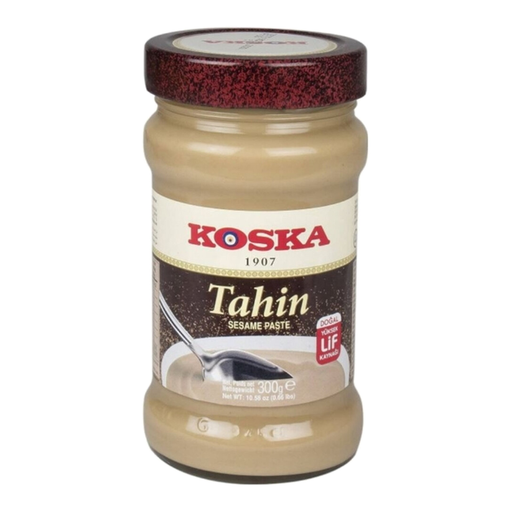
Why it suits this type of shopper: The 300-gram jar is a manageable size if you are trying tahini for the first time. According to the product information, the paste is made from roasted sesame seeds and contains no added oil, sugar or salt.
The short ingredients list makes it clear that this tahini is not a pre-sweetened or seasoned dressing.
100 per cent sesame according to the product information; suitable for hummus, dressings, dips and spreading on bread.
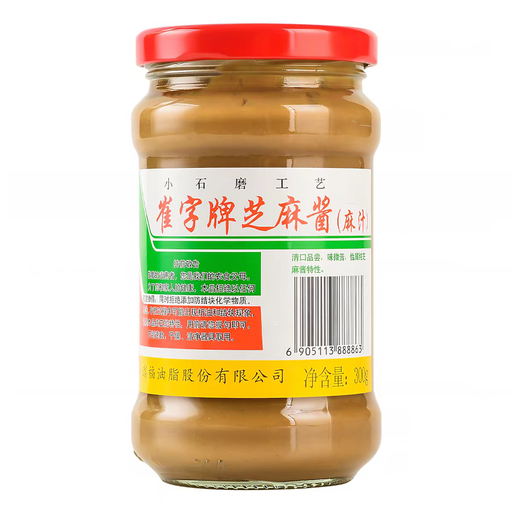
Why it suits this type of shopper: The product information lists sesame as the only ingredient and says the paste is traditionally stone-ground. It is a good fit if you are looking for a concentrated base for Chinese dishes.
The clear ingredients information distinguishes pure sesame paste from ready-made sauces containing sugar, oil or added seasonings.
300-gram jar; according to the description, it is suitable for hot pot, cold noodles, vegetables, dumplings and spreading on bread.
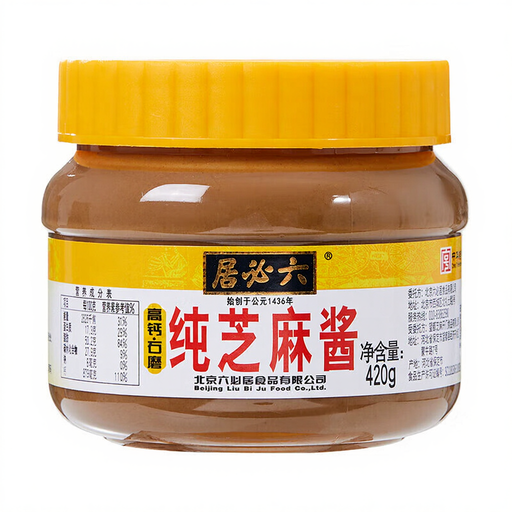
Why it suits this type of shopper: The larger pack is suited to households that regularly make hot pot, noodle dishes or cold dishes with sesame sauce.
It is labelled as sesame paste with no additional ingredients, making it easy to control the amount of salt, acidity and heat yourself.
420 grams; according to the product description, it is intended for noodle sauces, cold dishes and hot-pot dips.
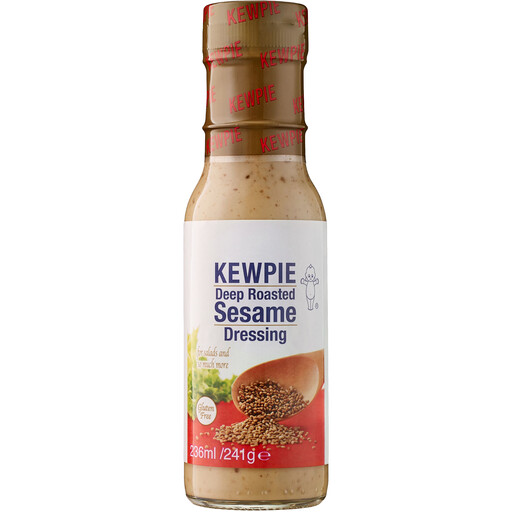
Why it suits this type of shopper: Shake this ready-to-use dressing before serving. According to the product information, it can be used for salads, pasta, fried foods and dips.
It is clearly identified as a dressing, so you will not mistake it for pure sesame paste. The ingredients list includes oil, sugar, soya and mustard.
236-millilitre bottle; ready to use, with natural separation of the ingredients that can be remedied by shaking.
We have put together a complete, regularly updated list of products that meet these strict selection criteria and the safety regulations in force in the EU.
First, stir the paste thoroughly. Then add warm water a little at a time, stirring until smooth. Depending on the recipe, soy sauce, rice vinegar, garlic, spring onion and chilli oil all work well in a Chinese hot-pot dip. Add the seasonings gradually, as ready-made products can vary in salt content.
This depends on the product, packaging and label. The best-before date applies to the unopened pack. Once opened, the jar should be sealed cleanly and stored in a cool place as directed by the manufacturer. If the oil has separated, the smell has changed or you notice anything unusual, do not use the product.
Tahini is often used in Levantine and Mediterranean cooking and is frequently made from hulled sesame seeds. Chinese sesame paste is typically made from roasted sesame seeds and often has a stronger flavour and thicker consistency. Recipes vary, so check the ingredients list, degree of roasting and recommended uses when choosing a product.