
Lieferung heute & morgen

Qualitätsgarantie

Willkommens-Angebote freischalten: KOSTENLOSE Lieferung | Bis zu 80 % RABATT | Kostenlose 30-Tage-JoyPlus-Testphase
App herunterladen
Making sushi at home is a rewarding experience, but the result rises and falls with one key ingredient: the rice. Anyone who's been disappointed by rolls falling apart or rice turning into an unappealing paste knows the problem. The cause often lies in choosing the wrong type of rice, a mistake made easier by vague product labels and marketing promises.
Many people grab any short-grain rice from the supermarket and are surprised by its lack of stickiness. Another common error is assuming that any package labelled "sushi rice" automatically guarantees high quality. The term is not a protected designation, which leads to significant differences in texture and taste. This guide will help you avoid these pitfalls and find the perfect sushi rice for your needs—whether for an occasional dinner or for professional use.
To avoid disappointment, you should pay attention to a few fundamental parameters before buying. These will determine whether your rice achieves the necessary texture for sushi and onigiri rice.
The key to perfect sushi rice is choosing the right variety. Authentic rice for sushi is almost always a Japanese short-grain rice (Japonica). These rice varieties are characterized by short, plump grains that have a soft yet firm-to-the-bite consistency after cooking.
Unlike long-grain rice (e.g., Basmati), which remains loose and fluffy after cooking, short-grain rice varieties have a high amylopectin content. This starch molecule is responsible for the characteristic stickiness that allows the rice to be shaped without falling apart. A particularly esteemed variety is Koshihikari rice, known for its ideal balance of stickiness, texture, and slightly sweet flavour.
The term sticky rice can be misleading. While all sushi rice is sticky, not all sticky rice is suitable for sushi. For example, the rice used for Thai desserts has an extremely high amylopectin content and becomes very pasty when cooked.
Good sushi rice has a balanced starch composition. It sticks together enough to hold nigiri and maki in shape, but the individual grains remain distinct and maintain their structure. An important step in the preparation is therefore washing the rice before cooking. This removes excess starch from the surface of the grains, preventing the rice from clumping into a homogenous paste.
Choosing the right package size is a matter of practicality and economy.
Based on the criteria mentioned, we have compiled a selection of products suitable for different use cases.
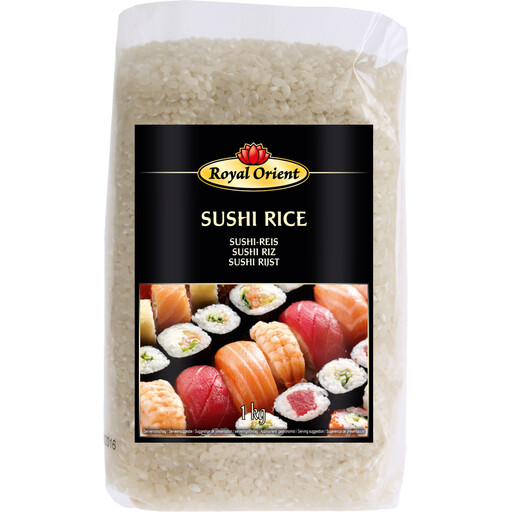
Why This Fits Their Persona: Ideal for those who make sushi occasionally and want a reliable, straightforward solution. The 1kg package is practical, prevents waste, and is easy to store.
This product is explicitly labelled as Japanese short-grain rice for sushi, delivering the expected sticky texture. The small package size prevents the rice from losing quality before it's used up.
Solid baseline quality for consistent results. Its origin from Italian cultivation ensures good availability in Europe.
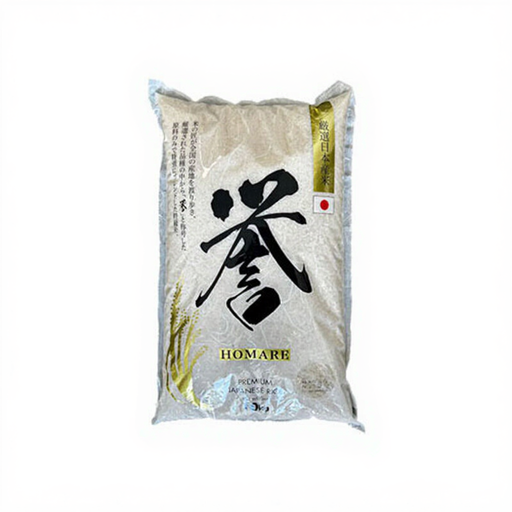
Why This Fits Their Persona: For those who value authentic flavour and are willing to invest in higher quality. This rice is suitable for sophisticated dishes where the taste of the rice plays a central role.
This product avoids the trap of vague quality claims by clearly naming the rice variety: Koshihikari. Its Japanese origin is another clear mark of quality for an authentic experience.
Authentic Koshihikari variety with balanced stickiness and a slightly sweet natural flavour. The 5kg package is ideal for regular use.
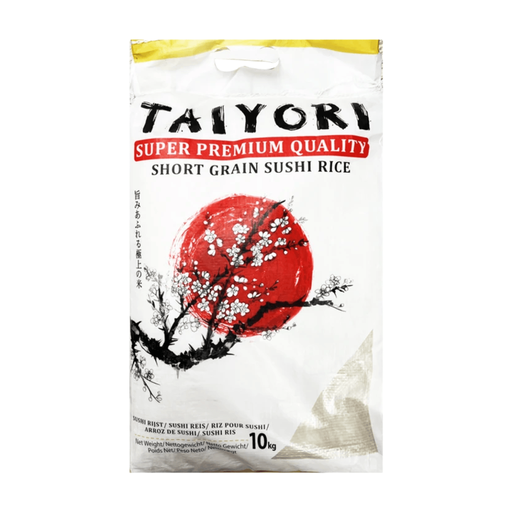
Why This Fits Their Persona: Perfect for sushi restaurants, catering companies, or families who cook Japanese food very frequently. The bulk sushi rice format offers excellent value for money for high consumption.
This product solves the problem of high costs for constant demand. Instead of buying many small, expensive packages, the 10kg sushi rice unit ensures a reliable supply at a better price per kilogram.
Economical package size for professional use or heavy users. Provides reliable quality for consistent results in the kitchen.
We've compiled a complete, up-to-date list of products that fully meet these strict selection criteria and local regulations.
Although pudding rice is also a short-grain rice, it is generally unsuitable for sushi. Pudding rice is bred for a creamy, almost porridge-like consistency and often has a different starch content than Japanese rice. The result would be overly soft and mushy rice that is difficult to shape and lacks a pleasant texture. Therefore, stick to products explicitly labelled as sushi rice.
To maintain the quality of a bulk sushi rice bag, you should transfer the rice to a large, airtight container after opening. Store it in a cool, dry, and dark place. This will protect the rice from moisture, which can lead to mould, as well as from pests and loss of flavour.
Sushi rice is a specific type of sticky short-grain rice. However, the term sticky rice (also known as "glutinous rice") is also used for other rice varieties, especially in Southeast Asian cuisine (e.g., for Mango Sticky Rice). These varieties are often even stickier and have a different texture than the rice used for sushi. For preparing sushi, maki, or onigiri rice, you should specifically look for sushi rice.